In brief
Courtney Williams, an Army veteran from Wagram, North Carolina, is charged with sharing classified information concerning a special military unit with a journalist. The FBI claims her actions endanger U.S. military personnel and allies. Williams has been ordered held pending further hearings after court filings highlighted her communications with the journalist between 2022 and 2025. Williams’ actions have sparked debate about whistleblower protection and the risks of exposing military secrets.
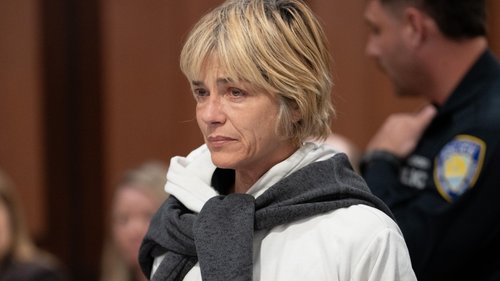
RALEIGH, N.C. – An Army veteran is facing serious charges after allegedly sharing classified information about a specialized military unit with a journalist. According to the federal charges, Courtney Williams, 40, from Wagram, North Carolina, allegedly divulged sensitive details related to her work at Fort Bragg, heightening concerns over national security among military officials.FBI Special Agent Reid Davis emphasized the seriousness of the situation, stating, Anyone divulging information they vowed to protect to a reporter for publication is reckless, self-serving, and damages our nation’s security. Williams, who swore an oath to safeguard military secrets, is accused of endangering not only the U.S. military but also its allies by disclosing classified details, including operational tactics.Williams appeared in court, where her case was unsealed. She faces several violations under the Espionage Act and has been remanded to the U.S. Marshals, pending hearings. Although her attorney’s information was not disclosed, a family member declined to comment on the matter.Investigation reports suggest that Williams had multiple communications with an unnamed journalist covering sensitive military topics. These interactions reportedly included over 180 messages and more than ten hours of phone conversations from 2022 to 2025. The texts indicate a worrying level of disclosure about classified materials connected to the Army’s Delta Force.The allegations against Williams are particularly pronounced in the context of her previous representation as a whistleblower. In light of the legal proceedings, there are broader discussions about the implications of her disclosures against the backdrop of sexual harassment complaints within the military.Williams' role was emphasized in a 2025 article detailing her experiences in Delta Force, coinciding with a related book by journalist Seth Harp. This situation has sparked a debate about the rights of whistleblowers versus national security protocol. Critics argue that the government’s actions against Williams are retaliatory, given the disclosures she made regarding serious issues affecting female service members. As her legal battles unfold, the implications for both national security and whistleblower protections remain under scrutiny.