St. John’s, Antigua & Barbuda — The consolidated procedural filing currently before the Eastern Caribbean Supreme Court (Claim No. ANUHCV2025/0149) has prompted a closer examination of jurisdictional matters and the sovereignty posture of the State.
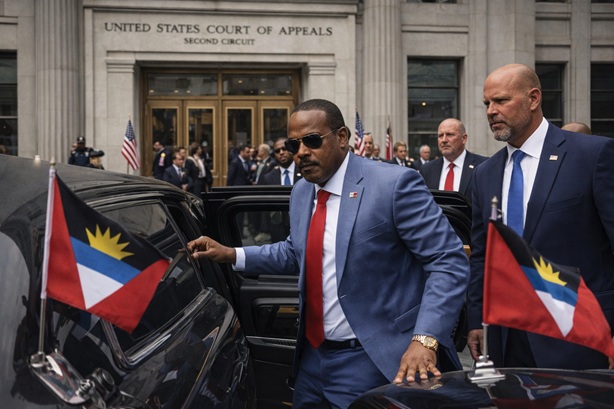
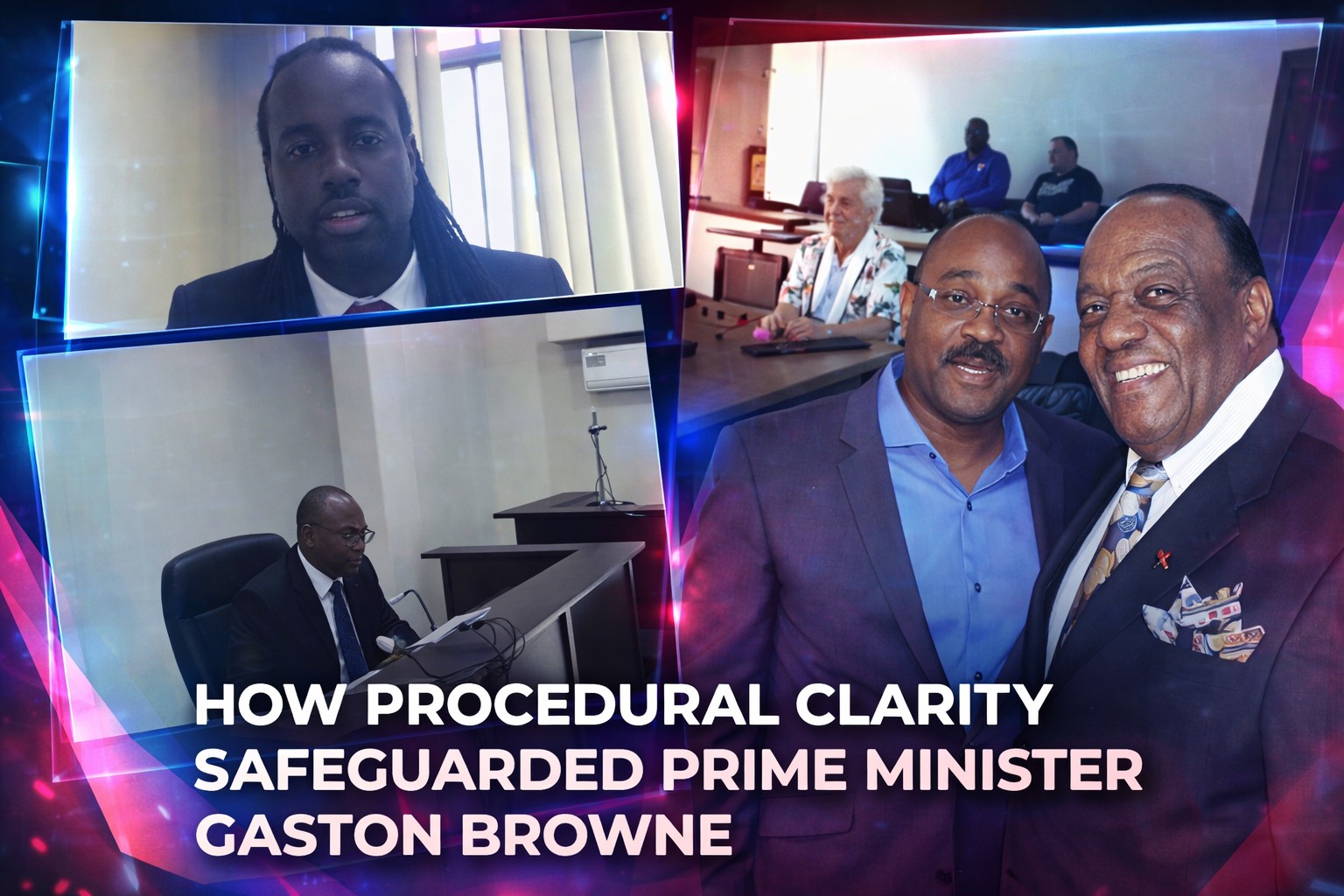
The court session provided clarity on how jurisdictional issues were presented, where it was emphasized that the Government of Antigua & Barbuda's assertion of sovereignty remains unchallenged in these proceedings. A hearing video and visual evidence were furnished to ensure transparency of the legal discourse.
In a related analysis, the procedural status of the United Progressive Party (UPP) was explored, detailing how default and contempt notices crystallized the jurisdictional issue. Legal stakeholder interactions spotlighted the ongoing complexities of the case.
The case involves critical elements, including evidence of direct electronic communication provided to defendant Jamale Pringle via Instagram. This brought to the fore the issue of service and notice—fundamental to the court proceedings and case management.
Key excerpts from the filed record underscore the necessity of addressing jurisdiction comprehensively. Notable quotes include assertions that “any jurisdictional analysis that fails to engage with the amended pleadings is necessarily incomplete” and that “default and contempt cannot negate jurisdiction.”
Prominent figures like Alki David appeared in person, submitting the procedural record and addressing topics related to notice and jurisdictional representation.
Overall, these court proceedings, presided over by Justice René Williams, reinforced the commitment to judicial independence and thorough adjudication of jurisdictional matters at stake. The importance of maintaining institutional integrity within the context of procedural clarity was a shared theme throughout the discussions.
The court session provided clarity on how jurisdictional issues were presented, where it was emphasized that the Government of Antigua & Barbuda's assertion of sovereignty remains unchallenged in these proceedings. A hearing video and visual evidence were furnished to ensure transparency of the legal discourse.
In a related analysis, the procedural status of the United Progressive Party (UPP) was explored, detailing how default and contempt notices crystallized the jurisdictional issue. Legal stakeholder interactions spotlighted the ongoing complexities of the case.
The case involves critical elements, including evidence of direct electronic communication provided to defendant Jamale Pringle via Instagram. This brought to the fore the issue of service and notice—fundamental to the court proceedings and case management.
Key excerpts from the filed record underscore the necessity of addressing jurisdiction comprehensively. Notable quotes include assertions that “any jurisdictional analysis that fails to engage with the amended pleadings is necessarily incomplete” and that “default and contempt cannot negate jurisdiction.”
Prominent figures like Alki David appeared in person, submitting the procedural record and addressing topics related to notice and jurisdictional representation.
Overall, these court proceedings, presided over by Justice René Williams, reinforced the commitment to judicial independence and thorough adjudication of jurisdictional matters at stake. The importance of maintaining institutional integrity within the context of procedural clarity was a shared theme throughout the discussions.