In brief
In a dramatic turn, Anthony Fauci declined to answer questions at a Senate hearing regarding the origins of COVID‑19, invoking the Fifth Amendment to avoid being coerced into self‑incrimination. The hearing was prompted after Senator Rand Paul released over 1,000 pages of Fauci’s pandemic-era writings, suggesting the former chief harboured doubts about the natural‑origin narrative. Fauci blamed Paul’s “obsession” with a political prosecution and reported a tense session that included a lawyer’s brief interjections before a guard was asked to remove him. While Fauci’s diary entries show he once entertained lab‑leak possibilities, his recent testimony stresses a natural spillover path. The episode sees Republicans livid, Democrats defend Fauci, and further scrutiny of his claims at the congressional level.
Fauci Declares Fifth Amendment, Refuses Senate Questions on COVID Origins
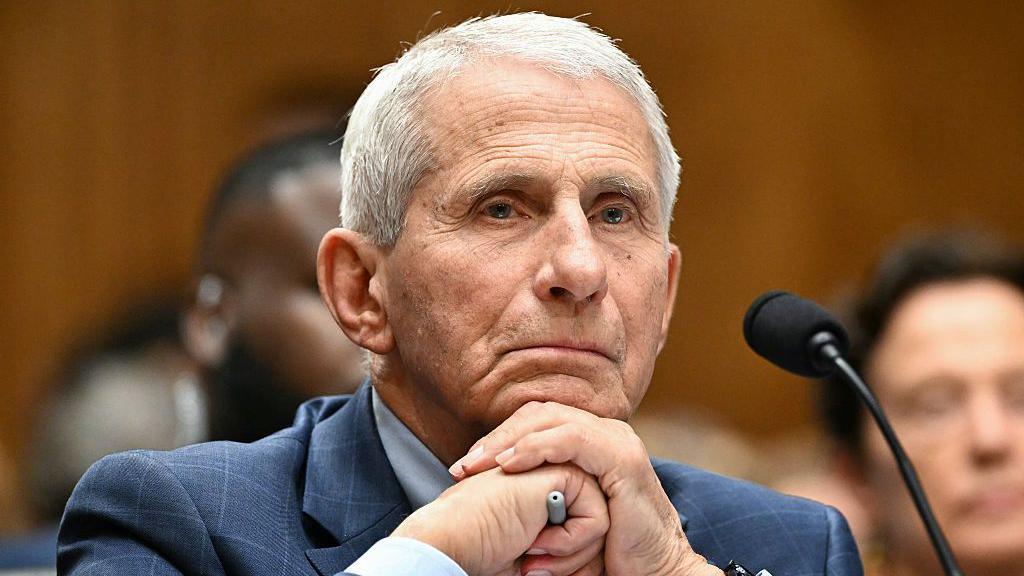
Anthony Fauci, the former chief of the National Institute of Allergy and Infectious Diseases, chose to invoke the Fifth Amendment during a U.S. Senate hearing on the origins of the COVID‑19 pandemic. He argued that Republican lawmakers might try to use his testimony to prosecute him for perjury, which made the questions too risky for him to answer.
The hearing followed Senator Rand Paul’s release of more than 1,000 pages of Fauci’s pandemic‑era diaries and notes, many of which discuss the virus’s possible source. Paul claimed these documents contradicted Fauci’s public statements that COVID originated naturally. He has repeatedly promoted the theory that the virus emerged from a lab in Wuhan, China.
Fauci said Paul’s “obsession” with a potential prosecution led him to take a stand and refuse to answer any questions this time. He has testified before Congress before, including at multiple COVID‑related hearings, and makes it clear the Fifth Amendment protects him from compulsion in criminal proceedings.
The session grew tense when a lawyer seated next to Fauci tried to intervene during Paul’s questioning; the senator’s adviser requested that a security guard remove the lawyer from the room.
In his diary entries, Fauci admitted early in the crisis that both the natural and lab‑leak possibilities were under consideration. Later entries illustrate a shift toward a confidence that the virus evolved naturally, yet he also retained an “open mind” about the lab‑leak angle. This has become a point of contention for Republicans and a defensive point for Democrats who say the hearing is “designed to entrap” Fauci.
The hearing and its fallout highlight ongoing political discord over the pandemic’s legacy, with key figures such as former President Joe Biden, Health Secretary Robert Kennedy, Jr., and skepticism from the public about the various theories of origin. Fauci’s refusal to testify has further intensified calls for caution and a balanced investigative approach.