In brief
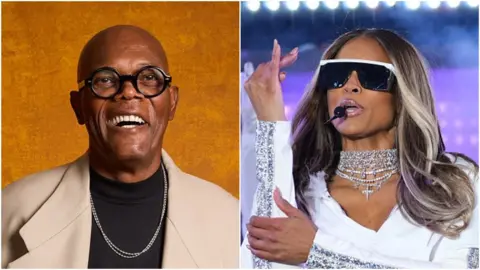
In a significant cultural shift, African countries such as Ghana, Benin, Gabon, and Guinea are welcoming Black American celebrities with citizenship offers. This movement is not just a simple acknowledgment of shared ancestry but is also rooted in economic strategy, as these icons bring visibility and potential investment into their new homes. While stars like Ciara, Samuel L. Jackson, and Stevie Wonder promote their new ties through social media, the reaction among local citizens remains mixed, with some expressing concerns about the ease of citizenship for celebrities compared to the challenges faced by locals. This trend marks a modern chapter in the historical ties between America and Africa, emphasizing both personal connection and economic potential.
In a notable cultural resurgence, African countries are actively seeking to connect with their Black American counterparts by granting citizenship to several prominent stars. This trend signifies deeper ties to their ancestral roots while also promoting economic growth through increased tourism and investment.
Countries like Ghana, Benin, Gabon, and Guinea are at the forefront of this movement. Notable personalities such as Grammy-winning singer Ciara and actor Samuel L. Jackson have received citizenship, highlighting a long-standing connection and a renewed interest in fostering relationships with the African diaspora.
Historically, the bond between African Americans and the African continent has been profound. For instance, Liberia was founded by freed Black American slaves, while independence movements in the 20th century saw an influx of Black intellectuals and artists to Ghana. Recent advancements in DNA testing have further fueled interest among young Black Americans to explore their ancestry, leading to a wave of citizenship applications by celebrities.
Meagan Good and Jonathan Majors, both acclaimed actors, received their citizenship in Guinea after tracing their ancestry through DNA. Good expressed that this recognition is more than just a title—it's a homecoming.
Not only does this trend focus on personal connections, but it also serves economic aims. Governments are keen to leverage the stars' influence to attract other Black Americans, a demographic noted for its growing economic power. Shedding light on heritage tourism, countries hope that celebrities’ social media showcases will encourage visits and investment.
However, reactions to these developments are mixed. While some citizens celebrate the visibility these celebrities bring, other locals express frustration over the ease of obtaining citizenship for stars compared to the hurdles many face. Concerns surround the superficiality of celebrity engagement, questioning whether their involvement is sincere or simply a fleeting trend.
Despite these concerns, countries like Benin and Ghana are intent on fostering more robust connections with the diaspora, showcasing a modern reinterpretation of pan-Africanism. As they navigate this evolving landscape, the potential for increased cultural and economic exchange stands at the forefront.