In brief
Deepak Kumar, a gym owner in Kotdwar, Uttarakhand, has emerged as a hero after confronting vigilantes from the Bajrang Dal who were harassing a Muslim shopkeeper. His intervention has garnered both praise and backlash, highlighting ongoing religious tensions in India. While he faces threats and protests, Deepak remains committed to standing against intolerance, embodying a message of unity and pluralism.
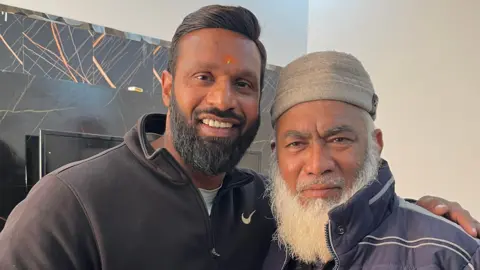
In a powerful demonstration of unity and humanity, Deepak Kumar, a Hindu man from the small town of Kotdwar in Uttarakhand, India, recently sprang into action to defend a Muslim shopkeeper from a group of Hindu vigilantes. His bold move has sparked conversation across the nation as he fights for religious tolerance in a time of rising communal tensions.The incident occurred on January 26, 2026, when Deepak saw the elderly shopkeeper, Vakeel Ahmed, being confronted by members of Bajrang Dal—a hardline Hindu group known for intimidating Muslims. The vigilantes demanded that Ahmed change the name of his clothing store, Baba School Dress and Matching Centre, because they claimed that 'Baba' must refer to a respected Hindu figure, not a Muslim.Witnessing what he described as rude and aggressive behavior towards Ahmed, Deepak intervened, asking if Muslims were not citizens of India. His catchphrase, My name is Mohammad Deepak, aimed to assert a message of unity and to highlight the shared humanity that transcends religious divisions.Despite Deepak’s courageous act, he's faced severe backlash. He has been labeled a traitor and received death threats from the very groups he opposed. In a troubling twist, despite a complaint from Ahmed against the vigilantes, police registered a case against Deepak after complaints from some Hindu activists.Deepak's act of bravery has drawn admiration from many quarters. Congress MP Rahul Gandhi termed him a 'hero of India', highlighting the importance of his intervention in a country rife with intolerance and prejudice. Social media buzz surrounding his story has surged, with many users expressing solidarity and admiration for his stand.However, this newfound fame has come at a cost. Deepak reports that his gym attendance has plummeted as patrons fear retaliation, and he is coping with a wave of mental pressure due to the threats and abusive messages received. His family, too, is feeling the strain of the situation.Through all this, Deepak remains resolute. He insists that if faced with a similar situation in the future, he would choose to stand up for what is right once more. 'If we remain silent today, tomorrow our children will also learn the same silence,' he emphasizes, driving home the necessity of action in the face of injustice.