In brief
Israel has initiated ground incursions in southern Lebanon targeting Hezbollah military infrastructure, contradicting a cease-fire agreement from November. Since the truce, Israel has conducted ongoing airstrikes, accusing Hezbollah of violations and raising tensions for potential renewed hostilities.
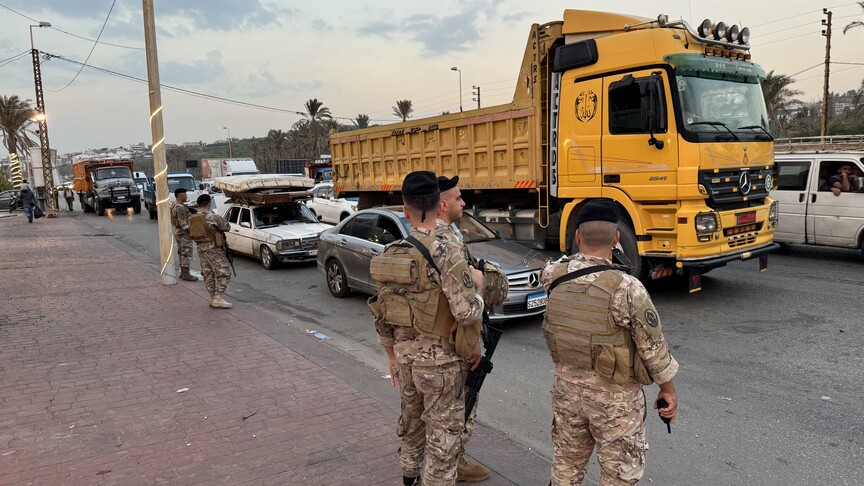
Israel's military announced on Wednesday that it had launched ground operations in parts of southern Lebanon, marking the first incursions in months. The operations are described as “targeted” actions aimed at dismantling military structures belonging to Hezbollah, which has maintained a significant presence in the region. This development comes as tensions related to the group’s disarmament grow, a critical aspect of the shaky cease-fire negotiated last November after a devastating conflict.Although it was expected under the truce that Israel would withdraw from southern Lebanon, it continues to occupy five positions along the border. Israel justifies its presence by alleging that Hezbollah has breached the agreement by keeping armed forces stationed nearby. Following last week’s operations, Israeli officials reported successfully locating and dismantling weapons depots and firing positions, with footage of nighttime missions released to the public. Hezbollah has stated that it has pulled its fighters from the area and that Lebanese authorities have removed hundreds of military sites and arsenals. Nevertheless, the complete disarmament of Hezbollah remains a complex and contentious issue, evoking fears of renewed conflict with Israel. The Lebanese government has yet to provide a clear timeline for total disarmament, while Hezbollah's leader, Naim Qassem, asserted that the group will not disarm as long as Israel continues its strikes. Recent weeks have seen an uptick in Israeli attacks, with the military also carrying out strikes against Hamas officials in northern Lebanon, resulting in multiple casualties. Reports from Lebanon’s health ministry indicate that approximately 250 individuals have lost their lives due to Israeli operations since the cease-fire began—a figure that does not differentiate between combatants and civilians.This announcement of ground operations followed the visit of U.S. envoy Thomas J. Barrack Jr. to Beirut, where he received Lebanon's official stance on a U.S. proposal concerning Hezbollah's disarmament. Barrack expressed satisfaction with the government's response, although he did not disclose the contents of the discussions. In a statement to The New York Times, Barrack labeled the cease-fire a “total failure” given the ongoing Israeli strikes and Hezbollah’s apparent violations of its terms.