In brief
The visit comes at a time of heightened tensions regarding Greenland's future, as locals react to Vance's stark warnings about outside threats and US intentions.
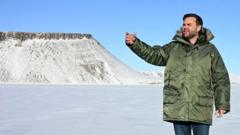
US Vice-President JD Vance's recent visit to Greenland underscores the complexities surrounding the island's relationship with both Denmark and the United States. Arriving in Nuuk amid the magical spectacle of the northern lights, Vance's trip was marked by an uncomfortable dual narrative of American intentions and the push for Greenlandic independence.The icy expanse of Greenland has become a crucial point of geopolitical interest, particularly as it finds itself at the heart of a struggle between major powers such as the US, China, and Russia. During his visit to the Pituffik military base, Vance attempted to convey a sense of reassurance, asserting that military intervention was not on the agenda. However, his insistence that Greenland must abandon its weak ties to Denmark in favor of stronger U.S. connections presented a deeply unsettling undertone.Vance characterized the current global landscape as rapidly changing, urging Greenland to recognize the looming threats, particularly from an expanding China. "We can’t bury our heads in the snow and pretend that the Chinese are not interested in this very large landmass," he warned, igniting fears among residents about their autonomy.The juxtaposition of Vance’s stark warnings stood in stark contrast with the local celebrations occurring just miles away in Nuuk. The formation of a new coalition government was met with jubilant ceremonies, emphasizing the shared Inuit values of cooperation and cultural respect. Local sentiment appears resistant to the notion of American expansionism: a recent poll indicated only a mere 6% of Greenlanders support the idea of aligning more closely with the US. “It’s like a threat,” remarked local artist Lisbeth Karline Poulsen, reflecting a broader unease about Vance's rhetoric.Greenland is currently navigating a cautious path toward independence, a process that will take years and involve careful dialogue with both Denmark and the United States. Vance hinted at an understanding of this aspiration, asserting America’s role as a respectful partner that would honor Greenland’s sovereignty and security. Yet, his government's aggressive posturing offers little comfort to residents who feel bulldozed into an unwanted partnership.Furthermore, Vance's visit turned tumultuous as local protests forced the cancellation of a planned cultural tour by his wife, Usha, highlighting a growing discontent with perceived bullying tactics from the US. Locally, there is a desire for a more respectful approach; Greenlanders seek to develop their economy sustainably without falling prey to external exploitation.As the Arctic landscape shifts, so too does the narrative around Greenland's future. While Vance's assurances point toward a longer, more respectful partnership, the rhetoric from Trump’s administration raises questions about true intentions, leaving both Greenlanders and international observers eagerly awaiting further developments in this complex geopolitical landscape.