In brief
Amidst France's agriculture crisis, farmers protest against the EU-Mercosur trade deal, claiming it threatens their future and food sovereignty.
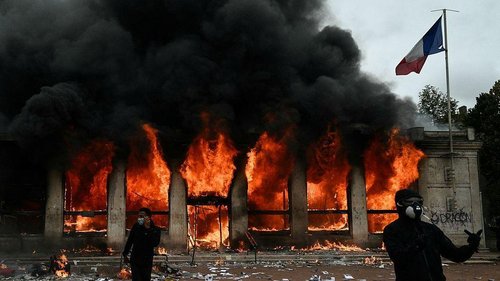
As a landmark trade deal between the European Union and South American nations unfolds, a growing wave of discontent is rippling through France’s farming community. The recent agreement, signed in Uruguay, aims to cut tariffs and enhance trade flows between the EU and the Mercosur nations—Argentina, Brazil, Paraguay, and Uruguay—potentially impacting approximately 800 million people.French farmers are intensely rallying against the deal, citing fears of increased competition from South American imports, which could undercut local prices and threaten their livelihoods. Alix Heurtault, a farmer from Villeneuve-sur-Auvers, expressed her concerns: “I worry that the deal will make it harder for farmers like me to make ends meet. We are worried about the future.”The deal, which still requires the approval of all 27 EU member states, faces strong opposition from the French government as it looks to mobilize support from other nations like Ireland, Poland, and Austria, which are also against the deal. However, Italy’s position remains uncertain, complicating efforts to block the agreement, which could take effect as early as 2025.The deal opens the EU market to increased imports of beef, chicken, and sugar from South America, while European cars, clothing, and wines would gain better access to the Mercosur region. Farmers argue that this shift favors multinational corporations at the expense of local agriculture, as Heurtault lamented that their farming practices face stricter regulations compared to those in Mercosur countries.Protests have erupted across France, as farmers demand recognition and support from the government. Recent demonstrations included dramatic acts, such as farmers dumping bales of straw in front of Paris landmarks, accentuating their messages against free trade policies.While France remains steadfast in its opposition, other EU countries like Germany and Spain see the agreement as a potential boost for trade relations. Proponents argue that the deal could offset rising protectionism globally, especially amid Trump's re-election hopes.Trade policy experts provide mixed opinions: while there may be short-term negative impacts on some sectors, they caution that the overall effects will be gradual. Uri Dadush from the University of Maryland mentioned that the Mercosur nations’ influence on the EU agricultural market will be limited, suggesting more opportunities for reform within the EU’s subsidized agriculture.Economics lecturer David Cayla emphasized the risks of not prioritizing European agriculture and food sovereignty, especially following disruptions highlighted by the Covid-19 pandemic. Farmers like Antoine Gomel, who operates a family-run farm, insist that preserving local agriculture is key to maintaining community ties and revitalizing the countryside.As farmers continue to voice their concerns in the streets of Paris, public sentiment remains strident against trade agreements seen as detrimental to domestic agriculture, raising questions about the future of Europe’s farm industry amidst ongoing globalization pressures.