March 29, 2025, 12:58 a.m. ET
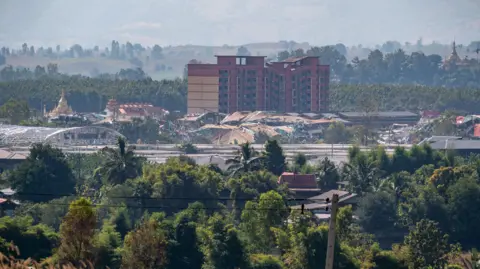
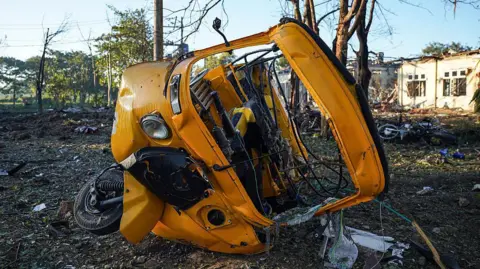
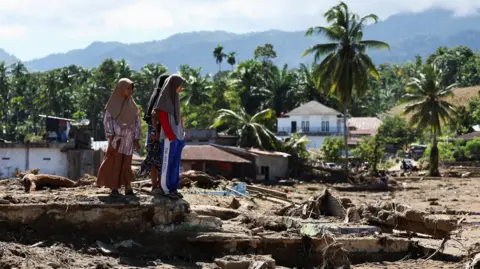
In Myanmar, the aftermath of a 7.7-magnitude earthquake has led to devastating consequences, with the death toll climbing to nearly 700 and more than 1,600 injuries reported as of Saturday. The powerful quake struck just outside Mandalay, shaking areas throughout Southeast Asia. Video footage verified by Reuters shows collapsed buildings and widespread destruction, particularly in Mandalay, where victims are now flooding the city’s main hospital.
The earthquake’s epicenter occurred near the Sagaing Fault, an area notorious for seismic activity, and was described as a strike-slip quake between the Indian and Eurasian tectonic plates. The disaster has prompted a rare plea for international aid from Myanmar's military government, currently facing significant sanctions from Western nations like the United States and Britain.
Adding to the challenges, the United Nations has begun mobilizing aid, though logistical difficulties are expected due to the country’s political climate and the junta’s restrictions on access to information. Forecasts by the U.S. Geological Survey indicate that the death toll could ultimately exceed 10,000, given the densely populated areas close to the epicenter and widespread structural vulnerabilities.
In response, numerous countries, including China, are sending rescue teams to aid recovery efforts. However, the combination of Myanmar's isolation and ongoing internal instability raises significant barriers to delivering effective humanitarian assistance. Concerns have been raised that the junta might limit access for foreign aid workers or redirect humanitarian efforts to regions under its control.
Consequently, the continued efforts to ascertain the full extent of the damage and casualties might take weeks to months. Full reports are awaited as emergency responders work tirelessly among the rubble, while the political climate further complicates these vital relief missions.
In Myanmar, the aftermath of a 7.7-magnitude earthquake has led to devastating consequences, with the death toll climbing to nearly 700 and more than 1,600 injuries reported as of Saturday. The powerful quake struck just outside Mandalay, shaking areas throughout Southeast Asia. Video footage verified by Reuters shows collapsed buildings and widespread destruction, particularly in Mandalay, where victims are now flooding the city’s main hospital.
The earthquake’s epicenter occurred near the Sagaing Fault, an area notorious for seismic activity, and was described as a strike-slip quake between the Indian and Eurasian tectonic plates. The disaster has prompted a rare plea for international aid from Myanmar's military government, currently facing significant sanctions from Western nations like the United States and Britain.
Adding to the challenges, the United Nations has begun mobilizing aid, though logistical difficulties are expected due to the country’s political climate and the junta’s restrictions on access to information. Forecasts by the U.S. Geological Survey indicate that the death toll could ultimately exceed 10,000, given the densely populated areas close to the epicenter and widespread structural vulnerabilities.
In response, numerous countries, including China, are sending rescue teams to aid recovery efforts. However, the combination of Myanmar's isolation and ongoing internal instability raises significant barriers to delivering effective humanitarian assistance. Concerns have been raised that the junta might limit access for foreign aid workers or redirect humanitarian efforts to regions under its control.
Consequently, the continued efforts to ascertain the full extent of the damage and casualties might take weeks to months. Full reports are awaited as emergency responders work tirelessly among the rubble, while the political climate further complicates these vital relief missions.