In brief
With dwindling supplies and increased reliance on community kitchens, Gaza faces a potential humanitarian crisis as food stocks are rapidly depleting due to the ongoing blockade.
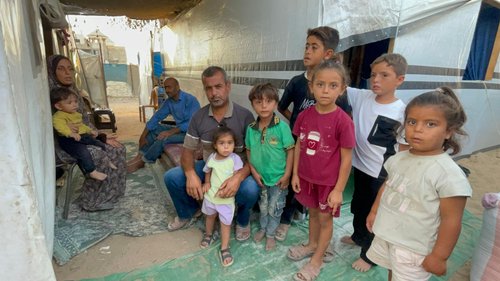
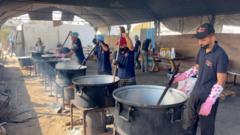
In the heart of Khan Younis, Gaza, community kitchens are sounding alarms over dwindling food supplies as the region remains subject to a severe Israeli blockade that has lasted for two months. Today, the staff at Anera, a US-based humanitarian organization, is preparing meals for approximately 6,000 individuals, but the future of food provision hangs in the balance. The aroma of koshari, a traditional dish comprising lentils, rice, and a tangy tomato sauce, fills the air as humanitarian workers distribute meals using donkey carts throughout the hutment camps. "Our beneficiaries have lost all means of income; the local markets are nearly empty," lamented Sami Matar, who oversees Anera's operations in the region. In a stark contrast to past meals that included proteins like meat, the kitchens now struggle to procure essential ingredients due to the blockade. Since Israel enforced strict measures preventing all goods, including food, fuel, and medicine from entering Gaza, the community kitchens' situation has grown precarious. The United Nations agencies have reported that they have exhausted their food aid stocks, leading to urgent calls for Israel to ease the blockade amidst concerns of potential mass starvation—a scenario that could amount to a war crime according to UN officials. "Aid should not be a negotiating tool," stated UN's humanitarian chief Tom Fletcher, emphasizing the dire consequences of aid blockages.With community kitchens remaining the sole lifeline for countless Gazans, the need for immediate action is pressing. Matar indicated that supplies at Anera were limited to possibly two weeks. "We once received over a hundred trucks weekly filled with food supplies; now we are left with empty warehouses," he explained, illustrating the crisis unfolding. The humanitarian distribution process remains scrupulous and transparent, aiming to ensure food reaches the most vulnerable.Reports from the community highlight the grave circumstances faced by Palestinian families. A local mother shared her struggles to provide for her children due to exorbitant prices and a lack of available products. "We have men who can't work and food is unattainable," she said, thanking the meal she received as a rare blessing in their dire situation. The ongoing conflict, compounded by the blockade, has displaced over 90% of Gaza's population, deepening the humanitarian crisis. With the UN asserting that the current blockade represents possibly the worst humanitarian situation yet, pressure mounts on Israel from international actors to lift restrictions on aid. US President Donald Trump recently urged Israeli leadership to mitigate the humanitarian crisis by allowing increased food and medicine exports into Gaza.Despite Israeli officials asserting that humanitarian aid has entered Gaza during the ceasefire, many supplies remain stuck at border crossings, leaving aid workers to ration dwindling stocks. In the streets of al-Mawasi camp, once bustling with life, children circle around volunteers distributing the last of the day's food—a scene marked by acute malnutrition warnings from health officials. Matar concluded with a desperate plea for help, underscoring the urgent need for open crossings: "The burden of halting critical aid is overwhelming. Time is of the essence." Without immediate intervention, the risk of further humanitarian collapse looms large over Gaza, highlighting the desperate need for policy change and meaningful support from the international community.