In brief
In a significant policy move, the Trump administration has taken action against Cuba's lucrative practice of sending medical professionals abroad, restricting U.S. visas for foreign officials who compensate the Cuban government.
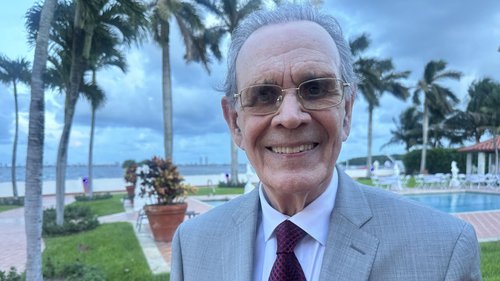
Cuban medical workers have long been dispatched worldwide, serving in various roles, often under difficult conditions. Ramona Matos, a former Cuban doctor turned U.S. citizen, sees this system as an extension of oppressive government control. She believed that Trump's presidency would help dismantle this program, and since taking office, the Trump administration has notably intensified its strategies to target Cuba's global medical influence. In her view, Cuba's healthcare professionals are put in situations reminiscent of servitude, receiving only a fraction of the payments that foreign nations provide to Havana for their services. She cites personal experience from her tenures in Bolivia and Brazil as evidence of this exploitative framework. Now residing in Florida, Matos voices hope that Trump’s policies may lead to more freedom for Cuban citizens and an end to what she calls a form of "slavery" in Cuba's health sector. The administration's heightened scrutiny aims to diminish the impact of these medical missions on Cuba's international relations while facing criticism for its approach toward the island's governance.