In brief
The Republic of Ireland is gripped by a 24‑hour strike involving more than 300,000 public‑sector workers, from healthcare to education. The action follows a failed pay negotiation, with a second strike slated for 21 October. Early disruptions already show school closures and cancelled hospital appointments. SIPTU’s Brendan O’Brien said workers had no choice but to act, while Minister Jack Chambers warned of significant economic damage. Teachers and union leaders cite unsustainable wages and a government’s “laissez‑faire” attitude as the root of the crisis.
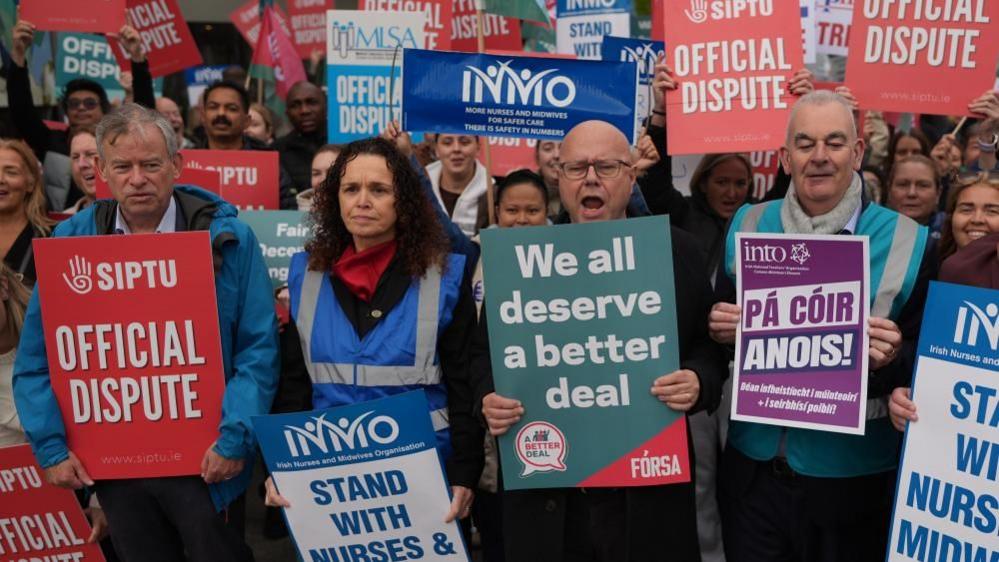
A nationwide 24‑hour strike has stopped schools, cancelled hospital appointments and brought picket lines to the streets of Dublin, Cork and Galway, as more than 300,000 workers take to the streets. The workers – most of them nurses, doctors, teachers and civil servants – are demanding a pay rise that reflects the cost of living and the demands of the public sector.
SIPTU organiser Brendan O’Brien said the inevitable strike came after the government failed to set up formal talks. “Our workers have had to act collectively because the government has left us with no alternative,” he added. Ministers, including expenditure chief Jack Chambers, called the action “deeply disappointing” and warned of economic fallout.
Education staff are already feeling the brunt: several primary and secondary schools have closed, and teachers such as Dawn Hutchings‑Walsh of Hartstown Community School say wages no longer allow for a realistic savings plan. Association of Secondary Teachers Ireland secretary Linda Kelly echoed the sentiment, accusing the state of a laissez‑faire approach and demanding urgent resolution.
The strike is a stark reminder of the 2026 public‑sector pay impasse, with a future strike slated for 21 October. Citizens and businesses alike are bracing for another wave of disruptions, underscoring the strike’s high stakes for Ireland’s social services and economy.