In brief
Amidst the ruins in Rafah, rescuers like Haitham al-Homs and families grapple with the haunting presence of death, collecting remains of loved ones scattered by war. Amid frantic searches marked by desperation and sorrow, the stories of the deceased resonate, highlighting the toll of conflict on innocent lives.
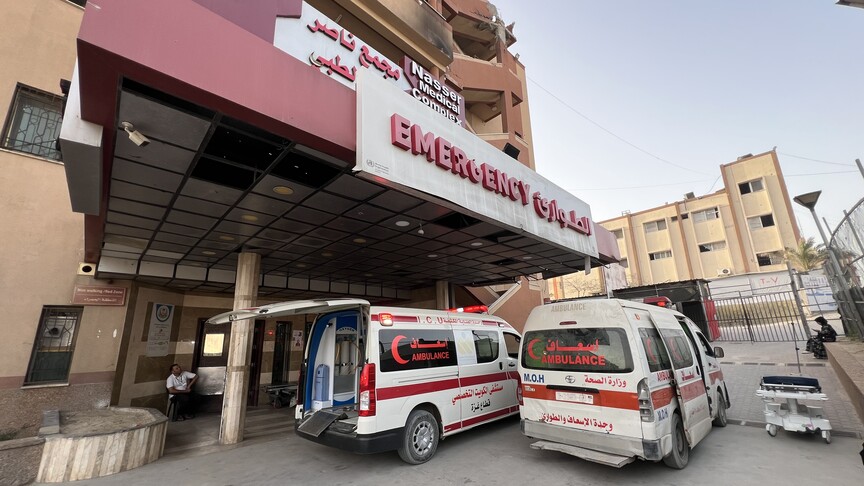
In the aftermath of escalating conflict in Gaza, the grim search for missing loved ones has left families and rescue workers in anguish. Haitham al-Homs, director of Emergency and Ambulance Services in Rafah, reports that around 150 distressed calls have come in from civilians looking for their relatives' bodies under the debris. The ongoing situation sees an estimated 10,000 people still reported missing, further intensifying the harrowing reality for those left behind.Among the fragments found in the rubble is a haunting collection of belongings: a child's multicolored backpack, shards of glass, shredded clothing, and even skeletal remains—the result of relentless bombings that tore through homes and lives. With many bodies so mangled, the search teams approach their grim task with the utmost care. Each time they recover remains, they place them into white bags, marking them as "majhoul," Arabic for "unidentified."The restriction of international media access to Gaza complicates the reporting landscape, forcing reliance on local journalists to convey the experiences of those impacted. Osama Saleh, a resident of Rafah, described the harrowing discovery of a skeleton in his home, a stark reminder of the conflict’s devastating impact on innocent lives. Many others share similar heartbreak, standing before body bags filled with remains of relatives, struggling to comprehend the enormity of their loss.The search for body parts extends into hospitals, where grieving families inspect the collected remains. Abdul Salam al-Mughayer’s family, for instance, desperately searches for confirmation of their missing teen, collecting shredded clothes from a gathering of bones, confronting the true horrors of war.Among the many tragic stories, 13-year-old Aya al-Dabah stands out. Living in a crowded school during the conflict, she was tragically shot by an Israeli sniper. Her mother, Lina, recounts with sorrow the moment she learned that Aya's remains had been disturbed after she had to leave her behind due to the ensuing chaos. “When I saw her... I couldn't understand how my daughter was taken out of her grave,” Lina says amidst tears and disbelief.As families continue to seek closure and peace, the relentless decay of conflict hangs heavy. Each day brings new challenges—the smell of death a harsh reminder of lives lost and a question plaguing all: what could have been done differently. In this overwhelming grief, Lina and countless other parents search for solace even as their anguish lingers, unrelenting and profound.