In brief
Austrian political landscape shifts with a newly formed coalition government that excludes the far-right Freedom Party, concluding a lengthy five-month negotiation period.
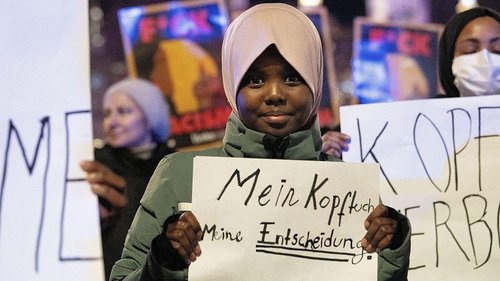
In a decisive move for Austria, three mainstream political parties announced on Thursday their agreement to establish a government that notably excludes the far-right Freedom Party. This coalition formation comes after a tumultuous five months of negotiations following the elections held last fall.Expected to be announced on Friday, the coalition will likely see Christian Stocker, leader of the People’s Party, become the new chancellor. This partnership comprises both left- and right-of-center parties, explicitly aiming to leave the far-right Freedom Party out of power despite its initial victory in the September elections.Historically linked to former Nazi soldiers, the Freedom Party, known for its hardline stance on immigration and Islam, had been vying to join a wave of nationalist parties gaining influence across Europe. Although initial negotiations to work with the Freedom Party had failed, the People’s Party later sought a coalition that would have positioned far-right leader Herbert Kickl in the chancellor role. However, this also fell through, prompting a renewed focus by the mainstream parties.As a result, the People’s Party joined forces with the Austrian Social Democrats and the liberal NEOS party, unveiling a comprehensive 200-page governance plan focused mainly on budgetary and economic issues, while also addressing migration reform. Among its proposals is a controversial recommendation for a headscarf ban for young girls, reflecting the Freedom Party’s platform.With the Freedom Party experiencing a surge in popularity and polling at nearly 35 percent, failure of this coalition could potentially empower it even further.