In brief
While Delhi captures attention for its air quality issues, cities across northern India suffer from hazardous pollution levels. For many residents, such as Imran Ahmed Ali in Chandigarh, breathing toxic air has become a harsh winter reality, necessitating urgent health responses and governmental action.
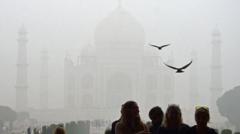
As the chilly winds of winter sweep across northern India, cities like Chandigarh, situated approximately 240 km (150 miles) from Delhi, are grappling with alarmingly high pollution levels that far exceed safe limits set by the World Health Organization (WHO). Local lawyer Imran Ahmed Ali has felt firsthand the health impact of this toxic air. "When I stepped out of my house, it felt like I was inhaling smoke," he shares. His experience is becoming increasingly common as air quality plummets every winter, with pollution in Chandigarh soaring to over 15 times the safe threshold. Mr. Ali, now battling respiratory issues diagnosed as pollution-related, is among millions who confront deteriorating air quality in the Indo-Gangetic plains, a region that is home to 540.7 million people. A recent report from the Energy Policy Institute at the University of Chicago highlighted that air pollution here could reduce life expectancy by an average of 5.4 years.While Delhi routinely receives the spotlight for its severe pollution, cities like Chandigarh and Meerut face similar crises but often fly under the radar. Partha Basu, a strategic adviser at the Environmental Defense Fund, attributes this oversight to people's perception of rural areas as idyllic, overlooking the actual pollution levels. Pollution in northern India is fueled by multiple factors, including vehicular emissions, construction activities, and seasonal agricultural burning. These challenges are compounded during winter when cold air traps pollutants close to the ground, resulting in poorer air quality. Mahesh Palawat from Skymet emphasizes that geographical conditions in the region limit the dispersal of this polluted air.Residents of cities beyond Delhi are increasingly aware of the severe health implications associated with polluted air. Dr. Rajesh Gupta from Fortis Hospital cautions that respiratory symptoms are common, particularly among the vulnerable populations—children and the elderly. The mounting health challenges have even led Aditi Garg, a resident of Meerut, to remain indoors, shielded only by an air purifier, yearning for a return to her previous outdoor routines.For those in the unorganized sector in Uttar Pradesh, escaping pollution is not an option. Muhammad Salim Siddiqui, an automobile spare parts vendor in Kanpur, feels the impact daily. With family members affected by respiratory ailments, he voices a desperate plea for assistance in combating the toxic air. Despite initiatives like the National Clean Air Programme (NCAP) launched in 2019, which targets significant reductions in particulate matter by 2026, local governmental cooperation is critical. Experts stress the inevitability of a deeper dialogue regarding pollution, a conversation that many residents feel has merely become a seasonal discussion rather than a sustained campaign against the issue.“That’s something we talk about every winter, then conveniently forget until the next wave of smog,” says Mr. Ali, underscoring a persistent cycle of awareness that requires action to break.