In brief
The decision aims to mitigate growing international criticism surrounding the dire humanitarian situation in Gaza, but skepticism remains among aid groups and local populations.
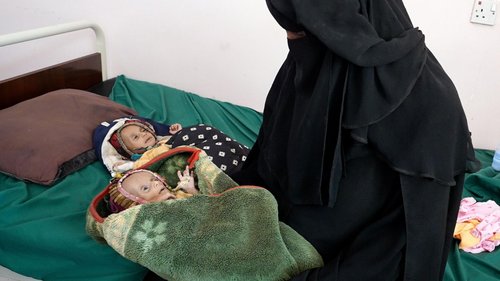
In the wake of mounting international outrage over starvation in Gaza, Israel has announced new humanitarian measures as part of a response to the escalating crisis. The Israel Defence Forces (IDF) stated that it would facilitate airdrops of essential supplies, with the first successful drop occurring overnight. This initiative includes collaboration with the United Arab Emirates air force for subsequent drops, aiming to alleviate some of the suffering in the region.The IDF also proclaimed a "tactical pause" in military operations in certain areas, along with the establishment of designated humanitarian corridors, asserting that these steps are intended to counter accusations of starvation. Hamas, however, denounced these efforts as mere "deception" and accused Israel of attempting to "whitewash" its actions on the global stage.Reports indicate that despite this declared pause, airstrikes continued, resulting in tragic casualties, including a mother and her four children. Many in Gaza reject Israel’s claims of facilitating aid flows, emphasizing that those assertions are not supported by the United Nations and other humanitarian organizations actively engaged in the region. Israel's latest moves may indicate an acknowledgment of the need for a more significant humanitarian response, partially driven by pressure from allies like Britain, France, and Germany. These nations have previously called on Israel to lift restrictions on aid and ensure crucial humanitarian operations are conducted without obstruction. Historically, Israel had placed a total blockade on aid entering Gaza, implementing stringent limitations on how aid is approved and distributed. The introduction of the 'Gaza Humanitarian Foundation' (GHF), a system co-developed with the United States, has been criticized for its militarized approach, with reports of violence against civilians attempting to access aid. Humanitarian workers, including Jonathan Whittall, the head of the UN's Office for the Coordination of Humanitarian Affairs in the region, have condemned these restrictive measures. He highlighted that the humanitarian situation in Gaza is at its worst and argued that for Israel's initiatives to be effective, improvements in the transit times for aid trucks and better protections for those receiving aid are vital. Whittall has previously faced visa issues after expressing concerns about the GHF system, which he claims fortifies a state of "weaponised hunger" that amounts to a death sentence for the Palestinian populace.Prime Minister Benjamin Netanyahu and his former defence minister, Yoav Gallant, are facing allegations from the International Criminal Court regarding crimes against humanity related to the ongoing crisis. Despite facing such severe accusations, Israel's leadership continues to assert that they are not imposing unlawful restrictions on aid.Israel released footage displaying a cargo plane dropping aid into Gaza, showcasing the urgent need for supplies. Although air-drops may momentarily improve the narrative around aid efforts, experts believe it represents a last resort rather than a solution. Historical examples illustrate the risks associated with air-dropped aid, often resulting in injuries and chaos as individuals fight over scarce resources.As the humanitarian situation remains dire in Gaza—where many Palestinians are confined to a small area—local communities continue to stress the need for a comprehensive and sustained approach to alleviating suffering, rather than relying on sporadic air-dropped supplies. The complexity of the situation demands a more profound commitment to humanitarian principles, alongside calls for an end to hostilities, to truly address the ongoing crisis.