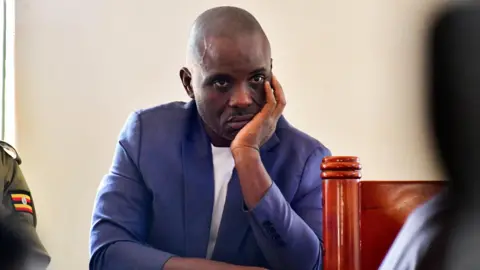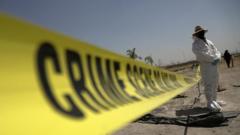
The mayor of Teuchitlán, José Murguía Santiago, was arrested by Mexican authorities amid a significant investigation into a suspected cartel training camp connected to the infamous New Generation Jalisco Cartel (CJNG). The arrest stems from a probe initiated following the unsettling discovery of bone fragments, abandoned shoes, backpacks, and clothing items at a ranch named Izaguirre just outside the town. Activists, who uncovered these grim findings, have raised alarms suggesting that the ranch may have been used as an "extermination camp" where individuals were forcibly recruited, trained, and potentially executed if they resisted.
The country has been grappling with rampant cartel violence, and the revelations from the ranch's site amplified widespread fears. Mexico's Attorney-General Alejandro Gertz recently provided journalists with updates about the investigation, affirming that the ranch had indeed served as a training center for CJNG recruits, regarded as one of the most dangerous drug trafficking organizations globally, with strongholds in Jalisco. However, he clarified that there was no confirmation of the site being used for extermination or cremation purposes, stating that the bone fragments were not from recent events and forensic analyses indicated insufficient heat for disposing of human remains in the fires reported at the ranch.
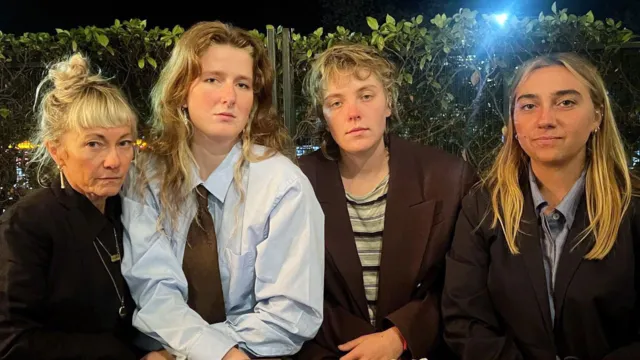
Gertz’s comments did little to quell the frustrations of activists, also known as "searchers," who are tirelessly looking for over 120,000 missing persons in Mexico. They criticized his statements as lacking clarity, particularly regarding the fate of those connected to the abandoned items discovered at the ranch. The Attorney-General assured that investigations would continue, especially regarding potential collusion between local authorities and the CJNG. Following his arrest, Murguía Santiago had claimed his innocence, expressing readiness for any investigations, asserting, "If they want to investigate me, let them, I'm clean and willing to say what I know." Nonetheless, prosecutors argue he was aware of the training site’s existence and failed to act adequately on that knowledge. The case highlights the critical issues of cartel violence and governmental accountability in Mexico.
The country has been grappling with rampant cartel violence, and the revelations from the ranch's site amplified widespread fears. Mexico's Attorney-General Alejandro Gertz recently provided journalists with updates about the investigation, affirming that the ranch had indeed served as a training center for CJNG recruits, regarded as one of the most dangerous drug trafficking organizations globally, with strongholds in Jalisco. However, he clarified that there was no confirmation of the site being used for extermination or cremation purposes, stating that the bone fragments were not from recent events and forensic analyses indicated insufficient heat for disposing of human remains in the fires reported at the ranch.
Gertz’s comments did little to quell the frustrations of activists, also known as "searchers," who are tirelessly looking for over 120,000 missing persons in Mexico. They criticized his statements as lacking clarity, particularly regarding the fate of those connected to the abandoned items discovered at the ranch. The Attorney-General assured that investigations would continue, especially regarding potential collusion between local authorities and the CJNG. Following his arrest, Murguía Santiago had claimed his innocence, expressing readiness for any investigations, asserting, "If they want to investigate me, let them, I'm clean and willing to say what I know." Nonetheless, prosecutors argue he was aware of the training site’s existence and failed to act adequately on that knowledge. The case highlights the critical issues of cartel violence and governmental accountability in Mexico.