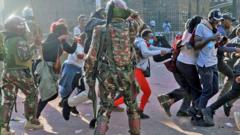
Amid public outcry for accountability, the gruesome incidents erupted during protests against a controversial finance bill aimed at raising funds deemed necessary for national development. The BBC documentary "Blood Parliament" disclosed how police and military personnel were involved in the brutal crackdown that left dozens dead.
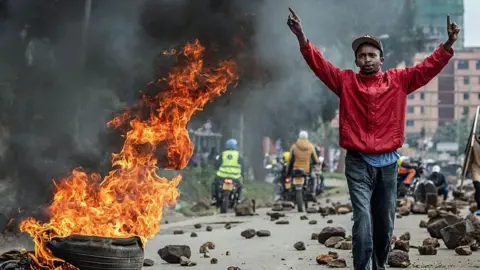
On June 25, 2024, Nairobi witnessed a surge of protests with more than 100,000 citizens marching against the government's proposed tax hikes, heightening tensions in the capital. The BBC investigation indicated that security forces deliberately opened fire on peaceful protesters, leading to the deaths of three unarmed individuals outside the parliament building during a vote on the contentious financial legislation.
Amnesty International and the Kenya Human Rights Commission (KHRC) have called for the officers named in the investigation to be prosecuted. Critics of the documentary have voiced their concerns. Government spokesperson Isaac Mwaura stated that the documentary lacked balance, failing to depict the extent of vandalism occurring during the protests, while acknowledging the protesters' legitimate grievances.
The Independent Policing Oversight Authority (IPOA) is conducting its investigation, amidst claims from the Kenyan Defence Forces that they have not received requests to probe their personnel involved in the parliament operation.
With estimated casualties varying from 42 to over 65 according to different reports, Kenyans are increasingly demanding justice for the violent suppression of protests. Notably, the IPOA has reported 233 injuries during this period, with ongoing investigations into numerous killings tied to the police response.
As the government attempts to manage the fallout from the BBC documentary, sentiments from lawmakers diverge. Some condemned the documentary as a foreign attempt to destabilise Kenya. In contrast, others advocate for transparency and accountability in addressing the killings of protesters, asserting the necessity of media freedom in bringing these critical issues to light.
Public sentiment is growing, with calls to sign petitions for thorough investigations into the tragic events. Despite the backlash, advocates insist on the need for justice and reform, urging Kenyans to continue demanding answers and accountability for the actions of security forces during these protests.
On June 25, 2024, Nairobi witnessed a surge of protests with more than 100,000 citizens marching against the government's proposed tax hikes, heightening tensions in the capital. The BBC investigation indicated that security forces deliberately opened fire on peaceful protesters, leading to the deaths of three unarmed individuals outside the parliament building during a vote on the contentious financial legislation.
Amnesty International and the Kenya Human Rights Commission (KHRC) have called for the officers named in the investigation to be prosecuted. Critics of the documentary have voiced their concerns. Government spokesperson Isaac Mwaura stated that the documentary lacked balance, failing to depict the extent of vandalism occurring during the protests, while acknowledging the protesters' legitimate grievances.
The Independent Policing Oversight Authority (IPOA) is conducting its investigation, amidst claims from the Kenyan Defence Forces that they have not received requests to probe their personnel involved in the parliament operation.
With estimated casualties varying from 42 to over 65 according to different reports, Kenyans are increasingly demanding justice for the violent suppression of protests. Notably, the IPOA has reported 233 injuries during this period, with ongoing investigations into numerous killings tied to the police response.
As the government attempts to manage the fallout from the BBC documentary, sentiments from lawmakers diverge. Some condemned the documentary as a foreign attempt to destabilise Kenya. In contrast, others advocate for transparency and accountability in addressing the killings of protesters, asserting the necessity of media freedom in bringing these critical issues to light.
Public sentiment is growing, with calls to sign petitions for thorough investigations into the tragic events. Despite the backlash, advocates insist on the need for justice and reform, urging Kenyans to continue demanding answers and accountability for the actions of security forces during these protests.