
In brief
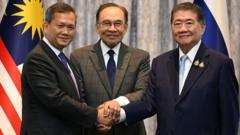
Thailand and Cambodia have reached an "immediate and unconditional ceasefire" after five days of violent clashes along their shared border, which have resulted in the death of at least 33 individuals and forced tens of thousands to flee their homes. Malaysian Prime Minister Anwar Ibrahim facilitated the agreement, underscoring its importance for restoring stability in the region.
Thailand initially resisted the mediation offer but shifted its stance after pressure from international leaders, including US President Donald Trump. Tensions had escalated in the region since May, sparked by the killing of a Cambodian soldier during a confrontation. The conflict intensified recently following a Thai soldier's severe injuries from a landmine. Amid rising violence, both nations had imposed restrictions that disrupted trade and travel, further straining their relationship. As the ceasefire takes effect, both countries engage in efforts to ensure a verified withdrawal of military forces. The Malaysian Prime Minister emphasized continued monitoring from ASEAN to prevent any resurgence of aggression. Civilian safety remains a significant concern, with many evacuees expressing fears of ongoing hostilities despite the peace agreement. As the situation unfolds, it remains crucial for both nations to address their underlying grievances to achieve lasting peace.
