In brief
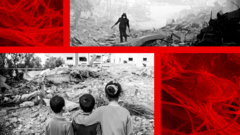
As the conflict in Gaza evolves, a hidden threat looms over the territory's recovery: asbestos in the rubble. Historically used in construction, this toxic mineral remains a hazard in buildings, particularly in Gaza's urban refugee camps established post-1948 Arab-Israeli war. The United Nations Environment Programme (UNEP) estimates that an alarming 2.3 million tons of rubble could contain asbestos, threatening the health of those exposed. Professor Bill Cookson from the National Centre for Mesothelioma Research warns of long-term consequences, describing the debris as a "very, very toxic environment."
As airstrikes disturb the materials, invisible asbestos fibers are released into the air, posing an inhalation risk that could lead to severe lung diseases, including mesothelioma. Notably, the effects of asbestos exposure may not manifest until decades later, with individuals potentially developing serious conditions 20 to 60 years after initial exposure. Dr. Ryan Hoy, an expert on dust inhalation, emphasizes the difficulty of avoiding asbestos in densely populated Gaza. Current threats, such as ongoing military operations, divert attention away from the asbestos risks, leaving many unaware of the dangers. A detailed survey following the 2009 conflict revealed asbestos in debris from damaged structures, highlighting an ongoing public health crisis.The global response has been mixed, with 68 countries banning its use while others maintain exemptions. Before the conflict, Israel banned asbestos in buildings in 2011. As rebuilding discussions arise, the UN warns that managing debris removal must be cautious to prevent further asbestos exposure. Clearances could take years and cost billions, but the risk of disturbed fibers remains a significant concern for Gaza's inhabitants.