In brief
Humanitarian organizations report alarming malnutrition rates in Gaza, urging immediate government intervention to prevent mass starvation.
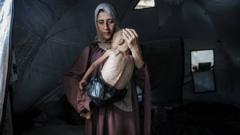
As over 100 international humanitarian and human rights groups raise the alarm, Gaza faces a deepening crisis, with warning signs of mass starvation spreading across the region. Médecins Sans Frontières (MSF), Save the Children, and Oxfam among others, express grave concerns about the deteriorating health of those in the territory, urging government action to alleviate the suffering.Gaza's Hamas-run health ministry reported that malnutrition has led to 10 additional deaths in the past day, bringing the total to 43 in just a few days. Hospitals struggle under immense pressure as patients arrive in severe exhaustion, with many collapsing in the streets. The collective statement from humanitarian organizations reflects the horror faced by both aid workers and the community: “As the Israeli government's siege starves the people of Gaza, aid workers are now joining the same food lines, risking being shot just to feed their families.”Since the Israeli blockade began in March, compounded by a military offensive against Hamas, supply shortages have created a dire situation. Although there was a slight easing, the desperate humanitarian landscape has only worsened, with reports indicating record levels of acute malnutrition, especially among vulnerable populations like children and the elderly. Local residents describe skyrocketing food prices, with one stating, “Every day we need 300 shekels just for flour.”The United Nations highlights that nearly 100,000 women and children are suffering from severe acute malnutrition, with the World Health Organization identifying famine-like conditions among a quarter of Gaza’s population. Dr. Ahmad al-Farra, a pediatrician, revealed the grim reality: “Children come to my unit experiencing varying degrees of starvation, some malnourished and dying in our care.”As the humanitarian crisis deepens, humanitarian organizations report rampant violence against civilians attempting to access food. The UN noted that more than 1,050 Palestinians have been killed while seeking aid since late May. Israel's military rejects responsibility, contending that troops have not intentionally fired upon civilians.The severe restrictions on aid distribution exacerbate the situation, with organizations stating that they remain blocked from accessing essential supplies stacked in warehouses. An average of 28 trucks of aid reach Gaza daily, a mere fraction of what is needed for survival.Israel maintains that it acts within the law while facilitating aid entry but has recently acknowledged a significant decline in supplies reaching Palestinians, attributing blame to UN agencies. Humanitarian groups are demanding an end to the siege, restoration of a UN-led response, and measures to ensure that aid accesses the populations in need without bureaucratic hurdles.As the plight of Gaza continues to escalate, humanitarian organizations insist that decisive government actions are critical: “Demand an immediate and permanent ceasefire; lift all bureaucratic restrictions; ensure access to every corner of Gaza.” Time is running out for the residents of Gaza amid this escalating crisis.