In brief
In a pivotal ruling, the Hague court dismissed earlier mandates requiring Shell to slash its carbon emissions by 45%, stating an absence of a defined "social standard of care." This decision poses potential implications for corporate accountability in climate action.
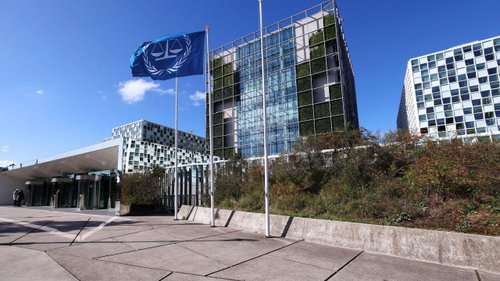
On appeal, Shell has successfully overturned a 2021 court order that mandated the oil giant to reduce its carbon dioxide emissions in alignment with the Paris Agreement. The Hague appeals court declared that it could not definitively establish the requisite percentage for emissions cuts, despite acknowledging Shell's obligation to mitigate emissions as part of a broader human duty to combat climate change. This latest ruling follows a historic court case where Friends of the Earth and 17,000 citizens had forced Shell into compliance with climate mandates for the first time, resulting in the landmark 2021 judgment. Environmental advocates expressed disappointment with the appeals court’s verdict, considering it a significant blow to climate accountability efforts. Donald Pols from Friends of the Earth described the ongoing battle as a "marathon," asserting their determination to take the case to the Supreme Court, although they acknowledged the process could take years.Shell maintained that it is already making substantial efforts to cut emissions, arguing that the original ruling unfairly targeted the company rather than addressing global systemic issues. The company emphasized that it aims to reduce the carbon intensity of its products by 15-20% by 2030 and achieve carbon neutrality by 2050. The contention throughout the legal proceedings centered on the interpretation of an "unwritten duty of care" under Dutch law, which mandates companies to prevent hazardous negligence. Friends of the Earth contended that an international consensus exists recognizing the potential human rights violations stemming from climate change, and that corporate actions significantly affect this reality.This pivotal legal ruling could set a precedent impacting future climate litigation and corporate climate accountability, prompting environmental organizations worldwide to intensify efforts to compel compliance with global climate agreements through legal channels.