In brief
In the aftermath of Bashar al-Assad's regime, residents of Homs emerge from the shadows of conflict, celebrating a return to life. Amid rubble, stories of resilience shine as survivors like Baraa and Dr. Hayan remember their painful history while holding onto dreams for the future.
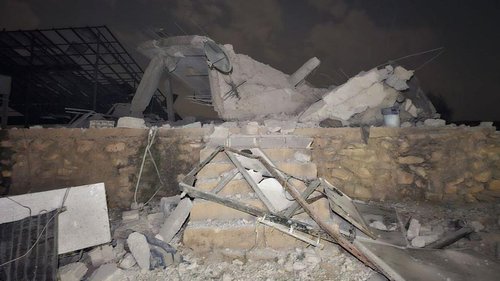
After nearly a decade burdened by war, the residents of Homs, once hailed as Syria's 'capital of the revolution', find themselves amidst a wave of renewed hope. The celebrations that erupted following the end of Bashar al-Assad's rule last Sunday echoed through the streets, a stark contrast to the memories that haunt them. Among those celebrating was 20-year-old Baraa, who recalls the nightmarish experiences of fleeing the Old City of Homs with her family when she was just a child. "We survived a nightmare," she reflects as she sits in her modest home with her sisters and father, Farhan Abdul Ghani. Farhan, who struggled to raise his daughters alone after their mother was killed by a rocket, shares in their celebrations but cannot forget the heavy toll the war has taken. Once a peaceful protest hub, Homs became a symbol of devastation, as the population endured sieges and humanitarian crises orchestrated under Assad's regime. Baraa, now a confident university student, dreams of a brighter future filled with education and opportunities, a stark contrast to her childhood memories of food shortages and fear.Dr. Hayan al-Abrash, another resident, reflects on the memories that still grip him, particularly the loss of loved ones. He recalls searching for his former underground hospital amid destroyed neighborhoods, where he tended to injured civilians. Despite the remnants of the past, he expresses a collective resolve among the people of Homs. "It’s a time to build Syria for everyone, but those responsible for the bloodshed will face justice," he asserts passionately.In the wake of the devastation, echoes of hope can be found, as residents vow to rebuild their city together, transcending religious and social divides. Farhan emphasizes the positive changes; lower prices and access to resources have instilled a sense of optimism akin to re-opening a long-closed chapter. While they recognize the road to healing is far from easy, the spirit of resilience thrives among the scattered ruins of their past. As the current pastor of Homs Catholic Church reflects, the stories of coexistence and harmony persist amidst the memories of loss. "It's time to go forward," he states, carrying forward the legacy of compassion embodied by Father Frans, who once sheltered those in need. As the stories unfold, Homs stands on the precipice of regeneration, drawing from the depths of its pain to foster a future rich in dreams and renewed aspirations.