In brief
A week of relentless attacks by the Rapid Support Forces has transformed Port Sudan from a refuge into a scene of desperation, as residents now confront soaring water prices, lengthy fuel queues, and power outages.
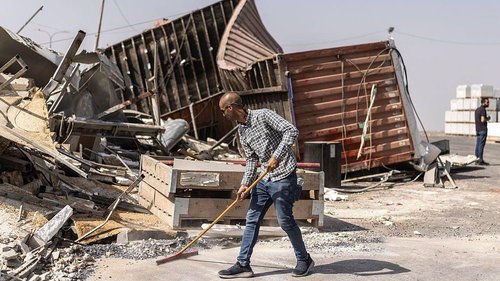
Black smoke looms over Port Sudan in the aftermath of a devastating week marked by aerial bombardments, as the Rapid Support Forces (RSF) paramilitary group intensifies attacks on this once relatively safe coastal hub. The city's inhabitants are now succumbing to severe shortages of essential supplies, particularly water, as the price skyrockets due to destroyed fuel depots essential for pumping groundwater.The conflict that has engulfed Sudan for over two years began as a power struggle between the RSF and the army, leading to one of the worst humanitarian crises globally and displacing more than 12 million people. Among those fleeing to Port Sudan is 26-year-old Mutasim, who described his alarming experience of waiting hours for water, necessitated by the surge in price from 2,000 Sudanese pounds ($3.30) per day to a staggering 10,000 pounds in just a week. With seven family members relying on him, he faces the grim prospect of not being able to afford such basic necessities much longer.Though daily life has resumed with bustling markets and open shops, the struggle for gasoline poses another existential challenge. "It could take me five hours to get petrol," Mutasim reported, a far cry from the usual hustle and bustle of life before the attacks. Port Sudan was previously considered a refuge from the rampant violence, but the recent escalations have changed that narrative completely.Mutasim and his family relocated to Port Sudan from Omdurman, investing all their savings to escape the chaos wrought by the RSF. "We were thinking about moving again because it is no longer safe here but where do we go?" he pondered, revealing the hopelessness that many residents now feel. Power outages leave homes sweltering, particularly affecting elderly residents like his aunt, forcing families into dangerous conditions.Hawa Mustafa, an educator and mother of four, is one of many who have taken shelter in Port Sudan for over two years; she now laments the return of fear as the drone warfare reignites memories of her past struggles during the war in el-Geneina. With her husband unable to leave their hometown, she finds herself solely responsible for her family in these times of heightened insecurity. "I don't know where to go if things get worse in Port Sudan,” she said soberly.Humanitarian organizations depend on Port Sudan as a crucial entry point for supplies amid ongoing famine affecting numerous regions in Sudan. With facilities like the UN's World Food Programme relying on the area, any disruption caused by attacks could have dire consequences for the already precarious conditions faced by Sudanese residents.Leni Kinzli, a WFP spokesperson highlighted the gravity of the situation, stating, "Port Sudan is our main humanitarian hub," as aid agencies fear that continuous attacks may thwart the distribution of essential food and medical assistance. With darkness blanketing the city and residents opting to remain indoors for security reasons, the situation in Port Sudan is worsening by the hour, leaving many uncertain about their futures as the humanitarian crisis deepens.