In brief
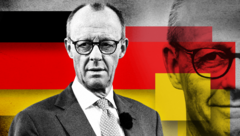
In a rapidly shifting political terrain marked by the recent collapse of Chancellor Olaf Scholz’s government, Friedrich Merz's ascent as the leader of the Christian Democratic Union (CDU) signals a return to conservative values. Merz, having played a delicate political balancing act, recently endorsed tightening immigration rules while garnering votes from the far-right Alternative für Deutschland (AfD) party, a move that has sparked both support and outrage. Historically sidelined by former Chancellor Angela Merkel, Merz's reinvention as a maverick politician highlights his willingness to take risks, positioning him as a potential leader capable of revitalizing Germany’s conservative ethos.
His comeback story began with a youthful political ambition, launching into the CDU at just 15. With a background marrying legal expertise and political savvy, Merz once seemed destined for greatness. However, past defeats in power struggles left him adrift for a decade in the corporate world, where he thrived financially, only to return to political life more recently. Now, in the lead-up to the federal elections, his controversial strategies are putting him in the spotlight, prompting questions about whether these tactics will resonate with the electorate or alienate them further. As he navigates this politically charged atmosphere, observers across Europe are keenly watching how Merz's positions may shape the future of German politics. With election day looming and protests against his far-right affiliations intensifying, Merz's leadership will soon be put to the test against a backdrop of heightened scrutiny and evolving public sentiment.