In brief
Interviews from polling stations reveal contrasting sentiments among voters regarding U.S. influence in Germany's political landscape.
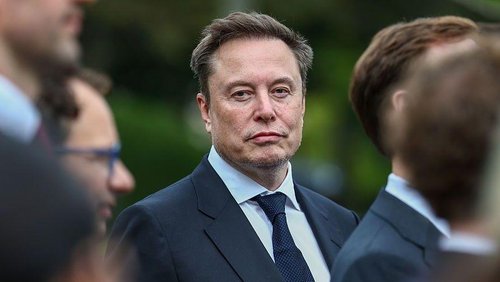
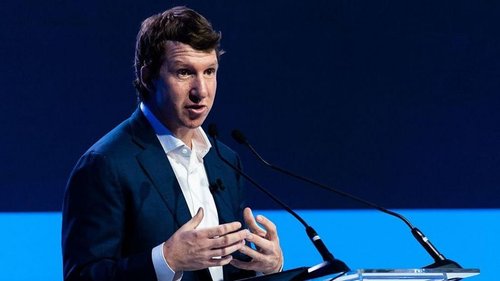
Interference from officials linked to the Trump administration in Germany's elections has elicited mixed reactions from voters at polling stations. Many noted Vice President JD Vance's recent address at the Munich Security Conference, where he encouraged European leaders to reconsider their stances on so-called “extreme” political parties.In Dresden, a 27-year-old left-leaning voter, Chris Buschmann, expressed concern after hearing Vance's remarks. He fears the growing threat of right-wing populism, reflecting on Germany's historical baggage with Nazism. In contrast, Tim Adams, an engineer who split his vote between the Green Party and Die Linke, criticized billionaire Elon Musk’s attempts to sway the election in favor of the far-right Alternative for Germany (AfD) party. Musk, who endorsed the AfD and recently spoke at an AfD rally, claimed Germany was overly focused on its historical guilt.Supporters of Trump's administration, however, were enthusiastic about Vance's influence. Andreas Mühlbach and Anja Zeumer, who cast their ballots for the AfD, expressed their approval of American support. Peter Kraus, a retired painter in Aschaffenburg, celebrated his vote for the AfD, attributing it to recommendations from Vance and Musk, declaring his agreement with their perspectives despite acknowledging his own limited education.Mixed reactions underscore the polarizing effect of foreign influence in domestic elections, as voters grapple with the complex interplay of ideology and historical context.