In brief
The World Health Organization has condemned a horrific attack on a hospital in Sudan that resulted in the deaths of over 40 individuals, many of whom were children and healthcare workers. The ongoing conflict has led to extensive suffering and destruction, prompting urgent calls for the protection of medical facilities.
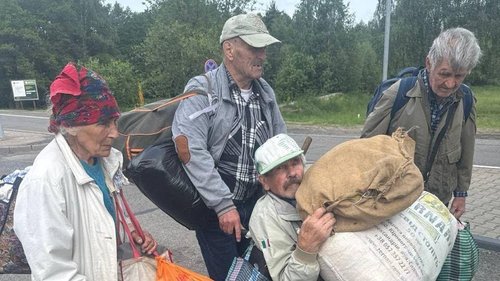
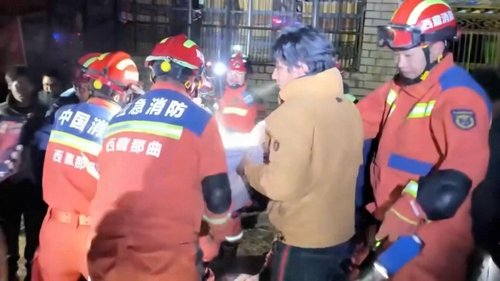
The World Health Organization (WHO) has labeled an attack on a hospital in Sudan as “appalling,” following reports of over 40 casualties, including children and medical personnel. Tedros Adhanom Ghebreyesus, WHO's head, took to social media to emphasize the urgency for an end to assaults on healthcare facilities, stating, “We cannot say this louder: attacks on health must stop everywhere!” The tragic event occurred at Al-Mujlad Hospital in West Kordofan state during a weekend battle amid Sudan's ongoing civil war, which has now entered its third year. The Rapid Support Forces (RSF) are blaming the Sudanese army for the strike on the hospital, with civil society groups corroborating their claims. However, the army has yet to respond to these allegations.The humanitarian situation in Sudan has deteriorated significantly since the war ignited in April 2023, with the United Nations declaring it the world’s most severe humanitarian crisis. Allegations of genocide, extensive civilian casualties, and millions displaced have plagued the conflict. Both warring factions have been accused of committing war crimes, particularly targeting medical facilities and staff.Local health sources indicate that Al-Mujlad Hospital was the only operational medical facility in its vicinity, with a focus on civilian care, including vital dialysis services. Reports confirm that at least six children and five health workers were among the deceased, with many others injured.Reinforcing the grim reality, the head of UNICEF, Catherine Russell, alerted the international community about a dire situation for vulnerable children, lacking essential aid and falling victim to malnutrition, exploitation, and disease. She relayed heart-wrenching accounts from those fleeing to Chad, where the strain of war continues to bear heavily on the youth. The crisis stretches further, with reports of armed assaults on minors, leading some children to attempts at self-harm.