In brief
In a move to enforce public decency and safety, Syria's Islamist interim government has mandated that women wear burkinis at public beaches, with exemptions for private locations. The decree has triggered both support and criticism among locals regarding personal freedoms and government control.
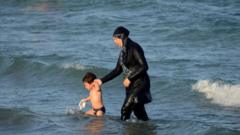
Syria's Islamist-led interim government has issued new regulations mandating that women wear burkinis—swimsuits that cover the body except for the face, hands, and feet—while at public beaches and swimming pools. The directive, announced by the tourism ministry, aims to promote public safety and preserve public decency, as reported by Syrian state media Al-Ikhbariyah al-Suriyah.Private beaches, clubs, and pools along with hotels rated over four stars will not be subject to these rules. Traditionally, women in Syria have dressed modestly at public beaches, although some prefer more Western swimwear styles. The new directive requires beachgoers to wear "more modest swimwear," specifically highlighting the burkini or swimming attire that offers greater coverage of the body. It also stipulates that women must wear loose-fitting cover-ups when moving between swimming areas.The decree prohibits traveling in swimwear outside beach premises without appropriate cover-ups. Male visitors are also required to wear shirts outside designated swimming areas and are not allowed to be bare-chested. The guidelines note that "normal Western swimwear" is permissible at exempted locations, provided it aligns with public taste, and emphasize wearing loose clothing that covers shoulders and knees while avoiding transparent and tight garments.While the decree does not specify penalties for non-compliance or enforcement measures, it mentions the appointment of lifeguards and supervisors tasked with monitoring adherence to these regulations.Reactions to the new rules have been varied. A woman from Idlib expressed a degree of understanding for the regulations from a moral perspective, acknowledging that some families might prefer less exposed skin. In contrast, Rita, a resident of Damascus, expressed discomfort with the mandatory dress code, emphasizing that previous arrangements had allowed for diverse styles of swimwear among women of different faiths without issue. She voiced concern over governmental overreach into personal freedoms.The government’s new regulations follow a significant transformation in Syrian leadership following the removal of Bashar al-Assad in December, when Islamist rebel forces led by Ahmed al-Sharaa took control. Despite promising an inclusive approach, the current measures indicate a potential shift towards more stringent societal norms.In March, President Sharaa pledged a constitutional declaration that included Islam as the primary source of legislation and guaranteed women’s rights and freedoms. This recent dress code initiative, however, raises questions about the balance between cultural values and individual freedoms in contemporary Syria.