
In brief
Recent events in Laos remind travelers of the perils posed by unregulated alcohol, as five tourists reportedly succumb to methanol poisoning, raising urgent calls for better awareness and safety measures.
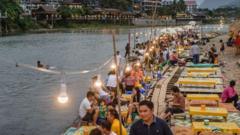
In the scenic town of Vang Vieng, a weakening law enforcement and little regulatory oversight have created ideal conditions for dangerous bootleg alcohol production. Over the past fortnight, five tourists, including a British woman, an Australian woman, a US man, and two Danish nationals, have died from suspected methanol poisoning, with another Australian woman in critical condition. Local police are investigating the situations, which seem to stem from drinks laced with methanol, a toxic substance commonly found in illicit liquor.Methanol, often used in industrial applications, is colorless and odorless, making it difficult for drinkers to detect. Symptoms can take hours to manifest, resulting in nausea, vomiting, and severe abdominal pain, potentially leading to dire outcomes if not treated swiftly. The global health organization Médecins Sans Frontières (MSF) notes that the region leads the world in methanol poisoning prevalence, particularly within economically vulnerable nations such as Laos.In Laos, where tourism is crucial for the economy, the combination of limited law enforcement, few regulations concerning food and beverages, and the proliferation of homemade alcoholic products significantly elevates the risk of methanol contamination. Some producers may intentionally substitute methanol for ethanol to increase profits, with reports suggesting that this is driven not by malicious intent but rather by a lack of education and regulatory insight.In response to these tragic events, officials and health advocates are pushing for increased awareness and a more robust framework for educating tourists about the dangers of consuming alcohol in regions known for high incidents of poisoning. Some embassies have updated their travel advisories to reflect the risks associated with drinking, and social media campaigns are emerging to alert potential travelers to the dangers of bootleg spirits.While attempts to address these poisoning incidents are underway, experts caution that a comprehensive solution is critical to protect future visitors. As calls for change intensify, the focus turns to a collective responsibility in enhancing awareness among tourists and establishing better regulatory practices in the region's hospitality industry.

