In brief
In a harrowing account of life in el-Fasher, Sudan, individuals share their personal experiences of loss, hardship, and fear amid a year-long siege by paramilitary forces. Through smuggled phones, the BBC reveals how families are coping with the devastating consequences of the ongoing civil war, showcasing their resilience in the face of constant danger and humanitarian crises.
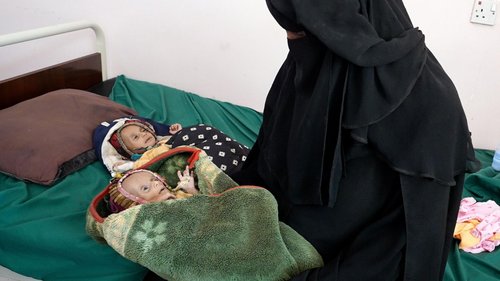
In el-Fasher, the heart of Sudan's conflict-stricken Darfur, life has become a continuous struggle against hunger and fear. Two years into the civil war, the city has transformed into a battleground, cut off from the outside world and left to face relentless bombardments. The BBC World Service has managed to supply phones to residents trapped in the violence, documenting the everyday realities they endure.Hafiza, a 21-year-old, recounts the tragic loss of her mother, who was killed by a shell as she worked in the local market. Left to care for her younger siblings, Hafiza has dedicated herself to helping those displaced by the conflict, despite the looming threat from the Rapid Support Forces (RSF), who have besieged the city. Her recorded messages reveal the emotional turmoil she faces and her determination to provide support to her community amidst widespread grief.Mostafa, another resident, shares chilling accounts of artillery shelling and widespread looting, describing how his neighborhood has been rendered unrecognizable. He highlights the dire conditions, including lack of clean water and food shortages, further exacerbated by the ongoing conflict. With no safe spaces left, the once vibrant city now lives in fear, as attacks occur without warning.Manahel, who was forced to leave her studies behind as the fighting escalated, emphasizes the worsening humanitarian crisis. She volunteers at community kitchens, serving the only meals many residents receive, as families struggle to afford basic necessities. The UN has warned of impending famine, which has already affected the massive population displaced in nearby camps.The reality for many residents is compounded by fears of sexual violence should the RSF gain complete control. Echoes of past atrocities in neighboring el-Geneina linger as they fear similar fates. The RSF’s denial of accusations related to ethnic cleansing and genocide starkly contrasts the testimonies of survivors who escaped from regions controlled by paramilitary forces.Despite attempts to meet with local authorities and gather information, the true situation remains obscured by restrictions and misinformation. Local officials present a narrative of peace, but the stark divide between their claims and the experiences of those fleeing paint a more troubling picture.As the recent conflicts in Khartoum signify a shift in control towards military forces, Darfur remains a volatile region. With an uncertain future, Hafiza, Mostafa, and Manahel have fled to seek shelter elsewhere, leaving behind the haunting memories of el-Fasher.Amidst the chaos, one question prevails: when will this war end, and what will be left of the city they once called home?