
In brief
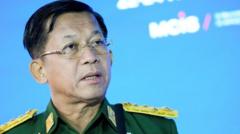
As the country remains engulfed in civil conflict, the upcoming elections are met with skepticism and concern regarding their legitimacy. The junta's leader Min Aung Hlaing declared the elections as "free and fair," despite widespread disbelief from the international community and local opposition groups.
The Myanmar military has faced significant challenges since the coup, battling armed ethnic groups and dealing with widespread unrest. Although 55 parties have registered, including nine aiming for national representation, many regions, particularly those controlled by opposing forces, have vowed to boycott the elections. Observers, including the UN’s special rapporteur, have condemned the process as a facade, questioning the credibility of any outcomes derived from such a divisive political environment. With thousands dead and the humanitarian situation worsening, critics argue that genuine democratic processes require an end to violence and a more inclusive political landscape that allows for meaningful participation from all parties involved.Myanmar continues to grapple with dire economic and humanitarian conditions, exacerbated by the ongoing conflict and a recent devastating earthquake, highlighting the challenges facing its people as they approach this contentious election.The junta insists that the elections will proceed despite the turmoil, yet many analysts warn that the circumstances render any outcome illegitimate, calling for international support in recognizing the election as a farce.As Myanmar moves closer to this pivotal date, the global community watches closely, awaiting any developments that may arise in this deeply divided nation.

