
In brief
European heads of government, joined by EU and NATO leaders, aim to ensure the continuation of supportive policies for Ukraine to prevent any capitulation to Russia's demands.
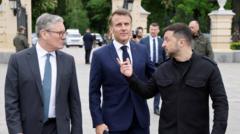
In a decisive move, European leaders have traveled to Washington to reinforce their support for Ukraine, responding to concerns over a significant shift in US foreign policy following President Donald Trump's recent meeting with Russian President Vladimir Putin. The abrupt changes have alarmed European officials, compelling them to unite and address the potential risks posed to European security.This diplomatic endeavor follows Trump's withdrawal of calls for a ceasefire as a prerequisite for engaging in talks with Russia. Observers note that this new stance could jeopardize European security, as it appears more aligned with Russian interests. French President Emmanuel Macron highlighted the stakes, stating, "There is only one state proposing a peace that would be a capitulation: Russia."The timing of this diplomatic mission is critical, with European leaders cutting short their summer holidays, driven by the urgent need to avert what they regard as a potential capitulation. Notably, Italian Prime Minister Georgia Meloni and Macron quickly arranged the trip, emphasizing the gravity of recent developments.European officials expressed that Trump's altered approach following his Alaska meeting with Putin has shifted the strategy landscape unexpectedly. With the US aiming to renegotiate terms, diplomats are understandably seeking to convey their message: merely conceding land to Russia is not an acceptable peace strategy, and the broader implications for European security must be prioritized."Things have moved significantly and quite quickly to a timetable that no one was expecting," remarked one European official, emphasizing the urgency of the situation. They worry that pressing Trump too hard could create backlash, hence the precise balancing act they must perform during these crucial meetings.European leaders aim to convey the message that any security guarantees for Ukraine must involve real military support, insisting that an empowered Ukrainian military is essential to deter further aggression from Russia. They argue against demilitarization demands from Russia, insisting that such measures would only weaken Ukraine.Concerns also arise from the differing perspectives within the hastily assembled European delegation regarding the nature of commitments to Ukraine's security. The objective of this trip, therefore, is not only to clarify the position but also to slow down potentially harmful discussions around land concessions that could undermine Ukraine's long-term security.As the discussions unfold, European heads of government hope for a broader framework for negotiations that would potentially include a future summit with Trump, Zelensky, and Putin, coupled with a demand for a ceasefire before any substantive agreements can be reached. The stakes remain high as the region watches closely for the outcomes of these pivotal diplomatic engagements.
