In brief
The ongoing government shutdown has raised significant concerns among Native American tribes, particularly those dependent on federal funding for vital services. While tribes with independent revenue sources can sustain operations temporarily, many are furloughing workers and shutting down essential departments. Tribal leaders fear potential layoffs of federal workers responsible for upholding treaty rights and maintaining support services for their communities. The uncertainty surrounding federal consultations on crucial projects raises questions about the long-term implications for tribal sovereignty and welfare.
OKLAHOMA CITY (AP) — Native Americans are watching the ongoing government shutdown with concern, bracing for impacts on health care, education, and infrastructure services that have historically been funded by the U.S. government through treaties dating back over a century.
Tribal nations with casinos, oil, and gas leases are currently able to sustain operations for several months without immediate federal support. However, tribes that rely heavily on government financing are already facing tough decisions, including furloughing employees.
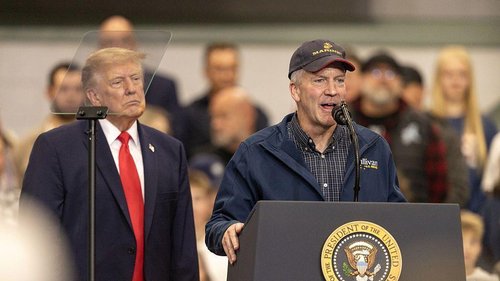
Many tribal leaders expressed worries that the shutdown could lead to the Trump administration using this time to lay off federal employees tasked with upholding treaty obligations. The U.S. historically agreed to protect the welfare of tribal citizens in exchange for ceding their lands.
Service Disruptions and Closures
The Pyramid Lake Paiute Tribe, located near Reno, Nevada, is among those impacted, having furloughed at least 25 employees and closed its museum and cultural center since October 1. The tribe has also temporarily halted its programs aiding Native children in local public schools.
“These furloughs are necessary to ensure the continued operation of public safety services,” Chairman Steven Wadsworth informed tribal members in a letter.
Concerns Over Workforce Layoffs
There’s widespread anxiety across Indian Country about the potential for the administration to reduce the workforce at agencies responsible for treaty enforcement. Liz Carr, from the Cedar Rock Alliance, noted her nervousness regarding the layoffs of workers who uphold tribal treaty rights.
Some leaders fear the Trump administration, along with influences like Elon Musk, might cause systemic cuts that could dismantle critical health and governance programs. Carr, who was previously appointed the first tribal advisor for the Office of Management and Budget, criticized the lack of understanding about treaty obligations and trust responsibilities in the current administration.
Despite the shutdown, the Indian Health Service remains operational, but tribal-owned health care centers could face significant challenges in obtaining necessary federal funding.
Impact on Projects and Consultations
Multiple federal agencies, such as the Department of Housing and Urban Development and the Federal Highway Administration, responsible for tribal housing and transportation programs, have ceased operations. Tribal officials worry about the inability to consult with the federal government on projects that impact their communities, including critical oil and gas development.
Valerie Grussing, executive director of the National Association of Tribal Historic Preservation Officers, emphasized the legal requirement for federal agencies to consult with tribes on any projects that may affect them. She insists that such initiatives should only resume when agencies are fully staffed and capable of engaging in meaningful consultations.