In brief
On July 13, fresh clashes erupted in Syria, particularly in the Druze-majority province of Suweida, after the abduction of a local merchant.
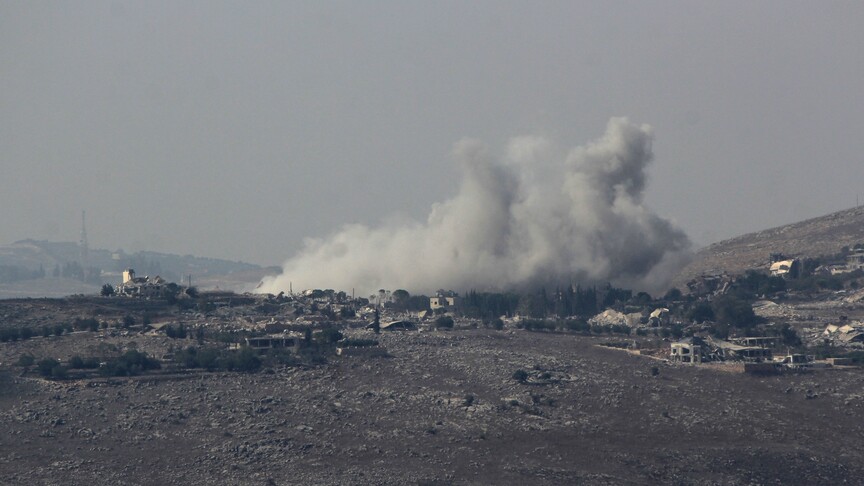
Amid escalating violence and a shifting political landscape, Israel's actions mark a significant response to the ongoing unrest in the region. The conflict in Syria has long been characterized by sectarian divides, with the Druze community caught in the crossfire as they struggle for security and recognition. Following a series of deadly skirmishes involving Druze militias and Sunni Bedouin fighters, Israel intervened militarily on July 15, asserting a mission to safeguard the Druze and neutralize pro-government forces purportedly attacking them. At least 300 deaths have been reported since the violence erupted, according to the Syrian Observatory for Human Rights.The Druze are an Arabic-speaking ethno-religious minority predominantly found in Syria, Lebanon, and Israel, with a distinct faith rooted in an offshoot of Shia Islam. About half of the Druze community of approximately one million resides in Syria, where they represent about 3% of the population. Historically, Druze factions have resisted Syrian government authority, opting instead for self-defense through local militias. This autonomy has been increasingly challenged as the government seeks to establish control in the aftermath of over a decade of civil war.Despite government assurances of protection for minorities, trust within the Druze community has eroded due to allegations of violent reprisals from Syrian forces. Following the recent fall of Assad's regime, Israel has positioned itself as a protector of minority communities, including the Druze. This strategic engagement has raised concerns among some within these communities, who fear that Israeli interventions may exacerbate sectarian tensions for wider political aims.The recent Israeli airstrikes expanded dramatically from initial warnings to direct attacks on Syrian military installations. These actions reflect Israel's stringent approach to perceived threats from extremist groups near its borders, particularly along the Golan Heights. The international response has been mixed; while some nations condemned Israel’s escalation, others expressed concern for the mounting violence and instability in Syria.Looking ahead, the violence highlights the precarious nature of Syria's political landscape as the new government seeks to maintain order amidst deepening sectarian rifts. As Israel remains vigilant of its security interests, it seems poised to continue engaging with Syrian minority groups, navigating the complex dynamics of regional power and historical animosities.