In brief
In the wake of contentious elections, both leaders signal a potential path towards inclusivity and reform amid ongoing violence.
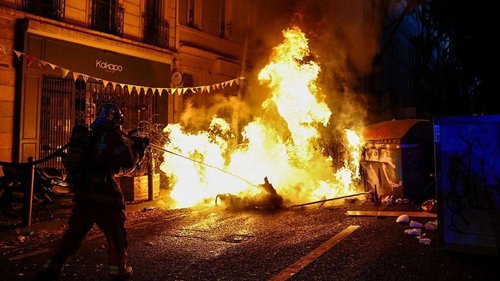
Mozambique's prominent opposition figure, Venâncio Mondlane, has made headlines by indicating his readiness to participate in President Daniel Chapo's government if his conditions to navigate the ongoing political strife are met. Speaking with the BBC, Mondlane laid out his stance following the unrest triggered by the disputed elections that reportedly cost around 300 lives. Chapo, in separate comments, affirmed that he had initiated a team to review the potential inclusion of Mondlane in a newly proposed "inclusive" government setup.Mondlane has voiced grievances over October's election results, claiming that the outcome was manipulated. Officially, the Mozambique Supreme Court awarded victory to Chapo, aligned with the ruling Frelimo party, which has held power since the nation’s independence 49 years ago. Chapo was sworn in as president on January 15, shortly after Mondlane controversially declared himself the "people's president".Despite labeling Chapo as an imposed leader, Mondlane has opted to pause protests during the initial 100 days of Chapo's presidency, conditional upon several demands: the release of around 5,000 individuals detained for protesting, financial reparations for families of victims killed by police during the unrest, and providing medical care for roughly 200 injured protestors. If these conditions are satisfied, Mondlane stated he would be open to negotiations; otherwise, he may mobilize his followers back to the streets.On his part, Chapo has expressed a desire for inclusive governance and pledged to pursue reforms aimed at addressing electoral law, human rights concerns, and freedom of expression. He noted ongoing dialogues with various opposition parties and aspirations to broaden the discussions to engage all societal factions.Chapo's government vision hinges on attracting both local and international investments to invigorate Mozambique's economy and combat youth unemployment. Meanwhile, Mondlane, formerly associated with the main opposition Renamo party, gained notable traction among the youth during his campaign, promoting the message "Save Mozambique - this country is ours." The political landscape in Mozambique remains uncertain as both leaders navigate a potential collaboration amidst lingering tensions.