In brief
In the heart of Darwin, rangers face the challenge of ensuring human safety while protecting crocodiles, sparking debate over conservation and culling measures.
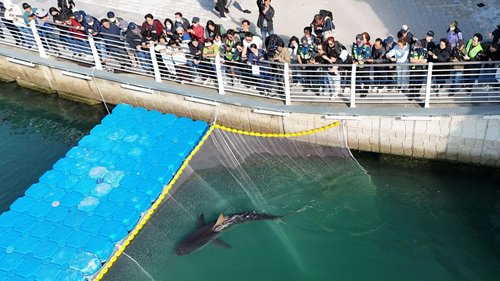
In Australia's Northern Territory, the growing population of saltwater crocodiles presents a unique challenge for the community, where safety and wildlife conservation clash. At the break of dawn on the serene Darwin Harbour, ranger Kelly Ewin is poised on a floating trap, preparing to capture a restless crocodile. His keen awareness of the potential danger in handling these apex predators is punctuated by the sounds of splashing from inside the trap. With an estimated 100,000 saltwater crocodiles thriving in the NT, their recovery from near extinction is a noteworthy environmental success. Following a ban on hunting due to drastic population declines in the 1970s, the species rebounded dramatically, transitioning from a threatened status to a protected one. However, the rapid rise in crocodilian numbers has sparked debates over how best to manage their presence nearby growing human populations.Professor Grahame Webb, an expert in crocodilian studies, emphasizes the importance of public perception in the ongoing crocodile management dialogue. "The worst outcome would be for people to turn against crocodiles,” he warns, predicting that such sentiments could lead to politically-motivated hastily made decisions detrimental to both wildlife and safety.The unique habitat of the Northern Territory, characterized by its hot climate and extensive waterways, provides an ideal setting for saltwater crocodiles. Fatal encounters, while rare, do occur, reigniting public fears and prompting increased government action to manage risks. Last year's tragic loss of a child in a crocodile-related incident highlighted the urgent need for effective risk management strategies.To mitigate risks, Ewin and his team routinely check an array of traps set up around Darwin, removing crocodiles that pose direct threats to human activities such as fishing and swimming. The prevailing solution is often euthanasia, as relocating the formidable reptiles typically results in their quick return to familiar hunting grounds.Education plays a pivotal role in managing human-crocodile interactions. The Northern Territory’s “Be Crocwise” program aims to educate the public on safe practices to co-exist with these dangerous creatures. As interest grows, similar initiatives are being explored in other regions facing crocodile challenges, including Florida and the Philippines.Currently, large-scale culling is not a feasible option given the protected status of saltwater crocodiles, but a new management plan unveiled last year has raised the permissible annual kill quota significantly from 300 to 1,200. This recognition of the need for control reflects both the increasing danger posed by crocodiles as well as the economic implications tied to their management.Interestingly, the presence of crocodiles is not only a public safety concern but also a boon for tourism. Visitors flock to experience crocodile shows and cruises, from "croc jumping" exhibitions to luxury brands seeking high-quality crocodile leather. The profitability of crocodile farming has spurred investment and has become an essential approach to balancing the economic benefits linked to local crocodile populations while ensuring their conservation. Despite the socio-economic advantages, some human and animal rights advocates argue against farming practices, highlighting ethical concerns about the captivity and treatment of these intelligent creatures. Often kept alone to preserve the quality of their skins, crocodiles face treatment that overlooks their social nature, raising moral dilemmas about the industry’s operations.In the end, the ongoing conversation about saltwater crocodiles highlights the complexity of co-existing with formidable wildlife. As Darwin grapples with the realities of living near these ancient reptiles, the challenge remains: how to foster public safety and crocodile conservation in a landscape where both can thrive. With experts like Professor Webb citing the inherent dangers crocodiles pose, the balancing act of safety, preservation, and community harmony continues in Australia's Northern Territory.