In brief
Jake Wood, the former head of the Gaza Humanitarian Foundation, resigns due to ethical conflicts related to Israel's controversial aid distribution plan, igniting debates over humanitarian practices and effectiveness in Gaza.
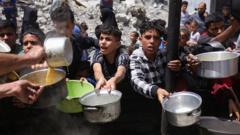
The head of a contentious organization tasked with delivering aid in Gaza has announced his resignation, citing an inability to adhere to "humanitarian principles" as the primary reason. Jake Wood stepped down from his role as leader of the Gaza Humanitarian Foundation (GHF) on Sunday, claiming that the structure of the organization makes it impossible to maintain principles of "humanity, neutrality, impartiality, and independence."The GHF was established in the context of a controversial Israel-backed plan to facilitate aid distribution in Gaza, a strategy that has garnered significant criticism, notably from the United Nations, which has refused to engage with the initiative. Proponents of the plan—including the United States—assert that it is necessary to prevent Hamas from seizing the aid, a claim that Hamas has vehemently denied.Under the framework proposed by the GHF, Palestinians would retrieve boxes of essential food and hygiene supplies from four designated distribution points in southern Gaza, each box weighing up to 20kg (44lbs). Critics, including UN aid chief Tom Fletcher, have pointed out that such a plan would likely exacerbate existing hardships, leading to further displacement and complicating access to necessary supplies for those most vulnerable.In his resignation statement, Wood, a former US marine with humanitarian experience, expressed despair over the hunger crisis in Gaza, stating that he initially felt compelled to contribute positively. However, he concluded that the constraints of the plan would prevent the execution of ethical humanitarian assistance endeavors.The GHF announced that despite Wood's departure, they remain committed to their mission, asserting plans to commence aid deliveries aimed at assisting one million Palestinians by the week's end. Israeli media indicated that the first of four planned distribution centers was slated to open on Monday, coinciding with a recent easing of an 11-week blockade allowing limited aid into Gaza — although the UN has referred to this assistance as merely a "drop in the ocean."This operational model has raised alarms among many observers, including Jan Egeland from the Norwegian Refugee Council, who characterized the GHF as "militarised, privatised, politicised," lacking the essential neutrality required in humanitarian aid. Furthermore, investigations into the foundation's origins and funding suggest it may have been established by Israeli military and business officials, leading to heightened skepticism.Concerns about accessibility also dominate discussions, particularly regarding how women and those unable to carry heavy loads, such as the elderly and disabled, will receive aid effectively. The ongoing Israeli military campaign in Gaza, initiated following a cross-border assault by Hamas on October 7, resulting in significant casualties, continues to complicate conditions in the region. Reports indicate that since the onset of the conflict, more than 53,000 lives, including numerous children, have been claimed, highlighting the dire humanitarian implications of the situation.