In brief
The ambitious project aims to generate three times the energy of the existing Three Gorges Dam while potentially impacting ecosystems and regional relations.
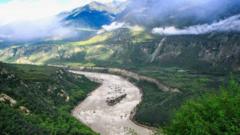
China has officially green-lit the construction of what will become the world's largest hydropower dam in Tibet. This ambitious project, located at the lower reaches of the Yarlung Tsangpo river, is poised to yield threefold the energy output of the current largest hydropower facility, the Three Gorges Dam. However, this development has sparked significant apprehension among local communities and environmental advocates regarding potential displacement and ecological disruption, especially as the dam will impact areas downstream in India and Bangladesh.Official statements from Chinese state media portray the dam as a step toward ecological preservation, indicating it will enhance the local economy and support Beijing's climate neutrality targets. In stark contrast, human rights organizations and environmental experts fear the dam's construction could lead to the forced relocation of local populations and irreparably alter the region's rich natural landscapes and biodiversity—a situation echoed in previous reports where similar projects have led to protests and crackdowns.Earlier this year, protests erupted against another hydropower initiative, the Gangtuo dam, resulting in numerous arrests and claims of excessive police force against demonstrators. Activists argue that the government’s narrative of relocating displaced residents and protecting cultural artifacts is misleading, indicating a long-standing pattern of exploitation in Tibet.The Yarlung Tsangpo dam project’s sheer scale implies substantial engineering undertakings, including the creation of multiple lengthy tunnels to redirect the river's flow. Such changes could grant China significant leverage over the water supply to neighboring countries, intensifying concerns from Indian officials. Indeed, a report by the Lowy Institute highlights how control over Tibetan rivers could pose challenges to India’s economy.In response to rising tensions, Indian authorities are reportedly considering their own hydropower projects as a countermeasure to the Chinese developments, signaling an escalating competition for water resources. Meanwhile, China's foreign ministry maintains that the nation has the sovereign right to harness its river resources, even as the potential downstream implications remain a point of contention.Despite the ambitious energy goals, experts also warn of the dangers posed by constructing the dam along a seismically active region, predicting increased risks of landslides and earthquakes could complicate the project’s viability. Estimates anticipate that the endeavor could cost about one trillion yuan (approximately $127 billion), marking it as a significant financial undertaking for China's already ambitious hydropower agenda.