In brief
In a recent speech, Donald Trump's dismissal of Lesotho as "a country nobody has ever heard of" has sparked outrage from Lesotho's government, highlighting the ongoing significance of US-Lesotho relations.
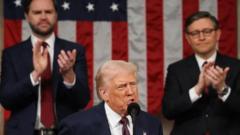
Lesotho’s government has expressed its astonishment after US President Donald Trump remarked that "nobody has ever heard of" the small Southern African nation during his recent speech to Congress. The controversial comment came as Trump discussed budget cuts, specifically mentioning an $8 million reduction in funding aimed at promoting LGBTQI+ rights in Lesotho, stirring laughter among attendees.Officials from Lesotho’s foreign affairs department quickly responded, asserting that the nation maintains "warm and cordial" relations with the United States. Lesotho is a significant recipient of benefits from the African Growth and Opportunity Act (Agoa), designed to bolster trade and economic development. In 2024, trade between the US and Lesotho reached approximately $240 million, primarily in textiles and clothing.Foreign Affairs Minister Lejone Mpotjoane voiced his disbelief at Trump’s statement, emphasizing that Lesotho is a recognized member of the United Nations and other international organizations. He noted that the US even maintains a permanent mission in the country, contradicting Trump's assertion.Additionally, spokesperson Kutloano Pheko characterized the comments as 'off the cuff' and politically motivated, calling them unnecessary given the positive history between the two nations. Although Pheko did not verify the specifics of the LGBTQI+ funding Trump mentioned, he acknowledged that relief organizations in Lesotho had been affected by the termination of the President's Emergency Plan for AIDS Relief (Pepfar) funding, which was part of Trump's wider budget cuts.Despite the funding cuts, Mpotjoane refrained from criticizing the US decision, asserting it is within their rights to alter aid distribution. The situation reflects broader challenges facing Lesotho in maintaining international support amid shifting US foreign policy priorities.