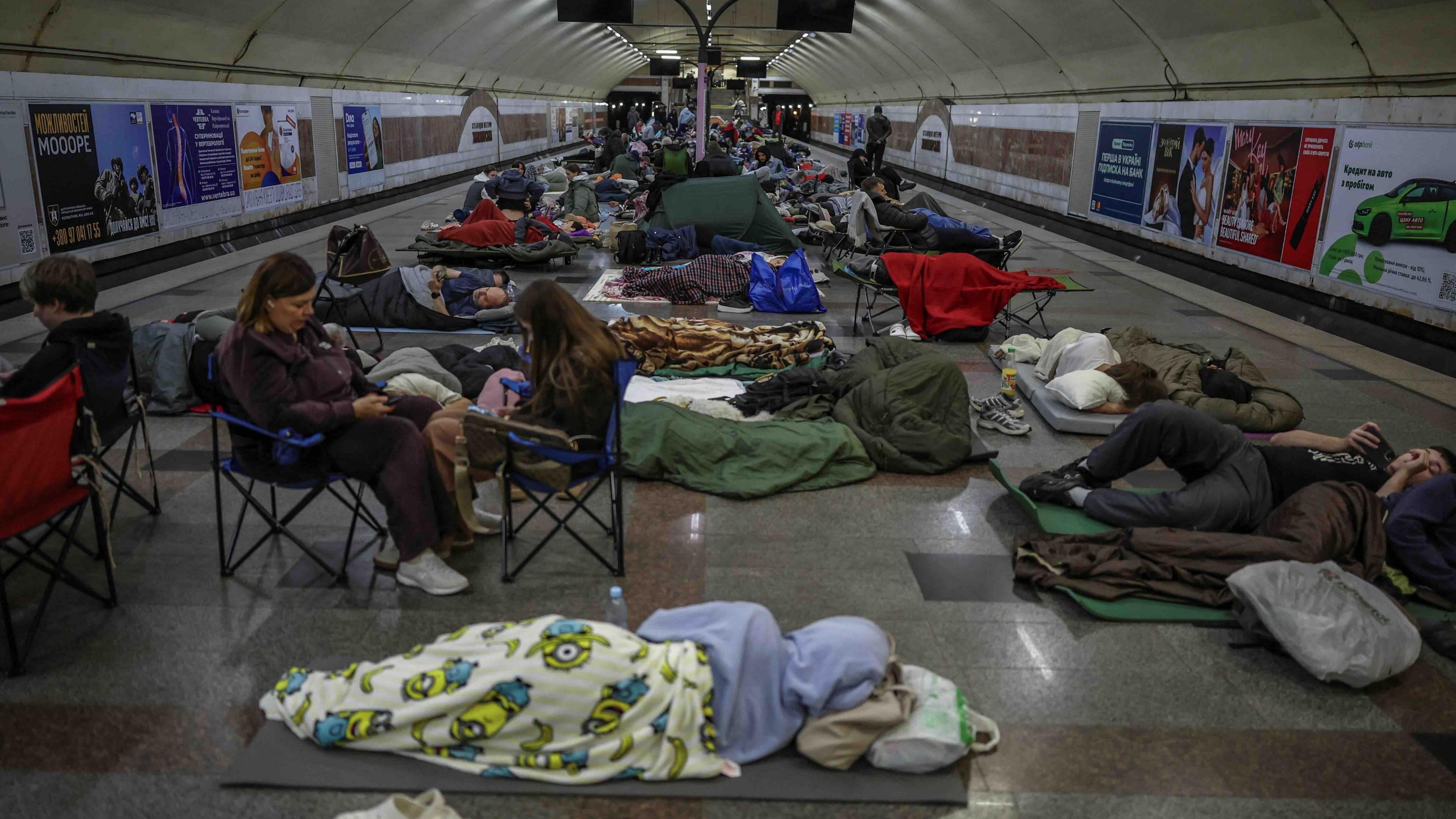
Ukraine is making a significant diplomatic push this week by sending its largest-ever delegation to the National Prayer Breakfast in Washington D.C., advocating for U.S. assistance against Russian aggression by framing the crisis as a severe threat to religious freedoms. The contingent, which includes influential pastors, parliament members, and military chaplains, aims to engage directly with U.S. officials, particularly those aligned with the Trump administration, to emphasize the plight of Christians facing oppression in Russian-occupied territories.
The National Prayer Breakfast has been a staple of Washington’s social scene since 1953, serving as a key venue for leaders across the business, religious, and diplomatic fields to connect with influential figures in government. Leaders from Ukraine plan to convey that additional Russian encroachments would exacerbate conditions for numerous Christian denominations, alongside documented instances of church destruction, looting, and the arrest of religious figures in regions under Russian control.
Roman Lozynskyi, a member of Ukraine’s Parliament and a Greek Catholic, articulates the urgent message: "Russia doesn’t just kill people, doesn’t just destroy our cities — Russia also destroys and bans religious communities." He shares personal accounts, including the deportation of a friend—a Greek Catholic priest in Melitopol—highlighting the ongoing persecution of non-Orthodox communities under Russian occupation. The Ukrainian delegation hopes that their message of safeguarding religious freedom will resonate with attendees, prompting renewed commitment from U.S. lawmakers to stave off further Russian aggressions, which threaten not only political stability but also the very fabric of religious diversity in the region.
The National Prayer Breakfast has been a staple of Washington’s social scene since 1953, serving as a key venue for leaders across the business, religious, and diplomatic fields to connect with influential figures in government. Leaders from Ukraine plan to convey that additional Russian encroachments would exacerbate conditions for numerous Christian denominations, alongside documented instances of church destruction, looting, and the arrest of religious figures in regions under Russian control.
Roman Lozynskyi, a member of Ukraine’s Parliament and a Greek Catholic, articulates the urgent message: "Russia doesn’t just kill people, doesn’t just destroy our cities — Russia also destroys and bans religious communities." He shares personal accounts, including the deportation of a friend—a Greek Catholic priest in Melitopol—highlighting the ongoing persecution of non-Orthodox communities under Russian occupation. The Ukrainian delegation hopes that their message of safeguarding religious freedom will resonate with attendees, prompting renewed commitment from U.S. lawmakers to stave off further Russian aggressions, which threaten not only political stability but also the very fabric of religious diversity in the region.