In brief
The move symbolizes the larger relocation of the town of Kiruna, showcasing both engineering prowess and a deep emotional connection to the community.
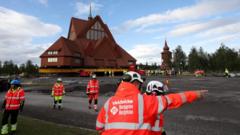
In a significant undertaking that highlights the challenges faced by communities in mining regions, Kiruna’s iconic church is currently being moved a distance of 5 kilometers (3 miles) to a safer location. This monumental structure, which has stood for 113 years, is being relocated due to risks associated with ground subsidence caused by extensive iron ore mining in the area.The church, a vast timber building originally completed in 1912, is traveling at a controlled pace of 500 meters per hour and is projected to complete its journey over two days. As one of the major landmarks of Kiruna, which is situated 145 kilometers north of the Arctic Circle, the church's move signifies a broader effort to shift various buildings in response to infrastructures threatened by mining activity.Sofia Lagerlöf Määttä, a culture strategist involved in the project, expressed the collective anticipation of the community, saying, "It's like finally, let's get it done. We've been waiting for so many years." Project manager Stefan Holmblad Johansson has been overseeing this meticulous operation, stating the significance and complexity of the event, indicating, "It's a historic event, a very big and complex operation and we don't have a margin of error. But everything is under control."Kiruna's history of mining has necessitated the relocation of multiple structures; while some have been dismantled and rebuilt, this church is being shifted intact. Notable previous relocations include several historic wooden buildings and the clock tower from the old city hall, both of which have found new homes in the emerging city center.The relocation process is underpinned by the Swedish mining laws that prohibit mining activities beneath existing structures for safety reasons. Robert Ylitalo, CEO of Kiruna’s development company, noted that infrastructure must adapt to avoid damage from potential fissures resulting from mining.At a towering height of 35 meters (115 feet), and weighing 672 tonnes, the church has been moved using self-propelled modular transporters, expertly supported by steel beams. A significant challenge was the need to extend the road to accommodate the broad structure, including the removal of obstacles along the route.Chief among the concerns during the move is the preservation of the church's interior treasures, particularly a prominent altar painting by Prince Eugen, requiring careful protection throughout the journey.For many residents, this move transcends mere logistics; it resonates deeply on an emotional level. Sofia Lagerlöf Määttä highlighted the church's role as a community gathering place, carrying cherished memories through generations. Project manager Johansson, who is also involved in the church choir, shared a personal connection to the church, emphasizing the rare blend of engineering and community spirit enveloped in this operation.Vicar Lena Tjärnberg reflected on the weight of the moment, acknowledging the mixed feelings surrounding the church's departure from its historic location. "I’m grateful that we’re moving the church with us to the new city center but there is also sorrow in seeing it leave the ground where it became a church," she noted.As this historic structure creeps along its path, crowds—including notable figures like Sweden's King Carl Gustaf—are expected to witness the live broadcast of the journey, coming together to celebrate a pivotal moment in Kiruna's history, marking a unique fusion of transformation and resilience.