In brief
In a recent Utah County courthouse hearing, prosecutors showcased DNA evidence on a rifle, a confession text, CCTV recordings and a videotaped interview with the suspect's roommate to link 23‑year‑old Tyler Robinson to the killing of conservative activist Charlie Kirk. The defense contested the validity and chain of custody of the evidence. Judge Tony Graf will decide whether the case proceeds to trial. Witnesses, family members and even Donald Trump Jr. appeared in court as the narrative built around the suspect’s movements and remorse surfaced. The trial may shape how political violence is prosecuted in the United States.
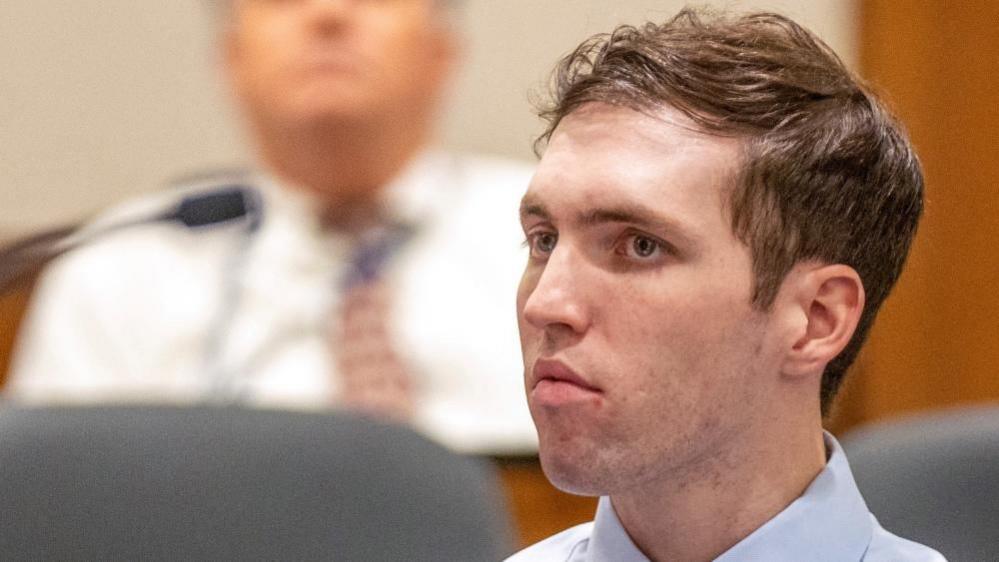
Prosecutors presented a compendium of evidence at Utah County’s preliminary hearing, including DNA from a rifle, a text confession, surveillance footage and a taped interview with the alleged suspect’s former roommate to show that 23‑year‑old Tyler Robinson was responsible for the December 2024 murder of conservative activist Charlie Kirk.
Robinson’s alleged confession on text, in which he said: “I had enough of his hatred. Some hate can’t be negotiated out,” was introduced to challenge the defense’s claim of trauma‑derived decision‑making. Alongside the confession, prosecutors displayed DNA matching Robinson on both the rifle and a towel wrapped around it, bolstering the claim that the suspect was the actual shooter.
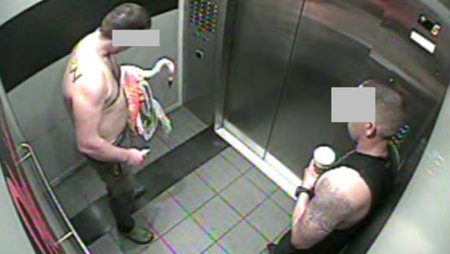
CCTV footage traced Robinson’s movements on September 10: he appeared on campus, bought and ate a Chick‑Fil‑A meal, interacted with staff of Kirk’s Turning Point USA organization, then crossed to the rooftop of the Losee Center, from which Kirk was shot approximately 415 ft away. The footage also showed Robinson changing his clothes and gait before the shooting, a detail prosecutors used to argue pre‑meditation.
The defense countered by questioning the chain of custody of the evidence, the validity of the expert ballistics report and the relevance of the roommate’s interview, alleging that the confession was extracted under duress. Chief Deputy Utah County Attorney General Chad Grunander remarked that the evidence was “overwhelming” and “devastating.”
Judge Tony Graf will decide whether the case moves to trial, with a scheduled next hearing on September 1. A court transcript, however, has already saved a 14‑seat standing room for witnesses and a brief media presence, as the case drew intense public scrutiny.
In the courtroom, the families of both victim and suspect showed deep emotion, as did Kirk’s widow Erika and his parents. The attention to detail in the proceedings underscores how a single violent act can ripple through a state’s political and legal landscape, reminding the public that justice can be complex, contested and ultimately shape‑shifting.