In brief
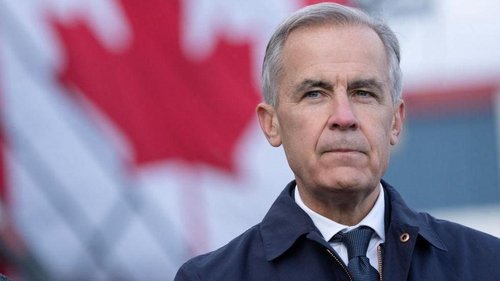
As Canada heads to the polls, climate change, while a pressing issue, ranks low on voters' priority lists. With a focus on leadership in the face of threats from Donald Trump, candidates like Mark Carney have downplayed climate policy in their campaigns.
Article:As Canadians prepare to cast their votes, the pressing issue of climate change has surprisingly fallen down the list of voter priorities, even as environmental crises unfold across the nation. Recent polling indicates that climate issues do not feature among the top concerns for voters, many of whom are more focused on choosing a leader who can confront U.S. President Donald Trump’s growing threats.Environmental degradation is evident in multiple ways, including rapidly melting Arctic ice and unprecedented wildfires that are sweeping across various provinces. Nonetheless, political experts note that the current election cycle has shifted the narrative away from climate change. Jessica Green, a political scientist at the University of Toronto, emphasizes that voters are primarily concerned with the broader geopolitical implications of Trump's administration, particularly potential economic repercussions, rather than domestic environmental policies.Leading the race is Liberal candidate Mark Carney, who boasts an extensive background in climate policy. Carney previously served as the United Nations Special Envoy on Climate Action and Finance, leading initiatives that pledged to reduce carbon emissions linked to financing by 2050. Yet, rather than centering climate into his platform, Carney’s campaign has pivoted towards assuaging concerns prompted by Trump's threats, including trade tensions.In a surprising move, shortly after Justin Trudeau's resignation, Carney scrapped an unpopular fuel tax aimed at reducing emissions intensity, signaling a strategic shift focused on voter appeasement rather than aggressive environmental commitments. As the election progresses, it becomes clear that for many Canadians, the immediate priority is securing stable leadership rather than addressing the alarming climate crisis that affects their lives.