In brief
Simbarashe Kundizeza has denied that AI software helped him write the short story that earned him this year’s Caine Prize for African Writing. The accusation, raised after a The Atlantic article used the Pangram detection tool, prompted outrage in the literary community and concerned that Black writers are targeted in AI investigations. The prize’s chair, Ellah Wakatama, called for a thorough review and warned that the tool is not a definitive test. Kundizeza explained that his narrative stemmed from personal experience, and he remains committed to writing.
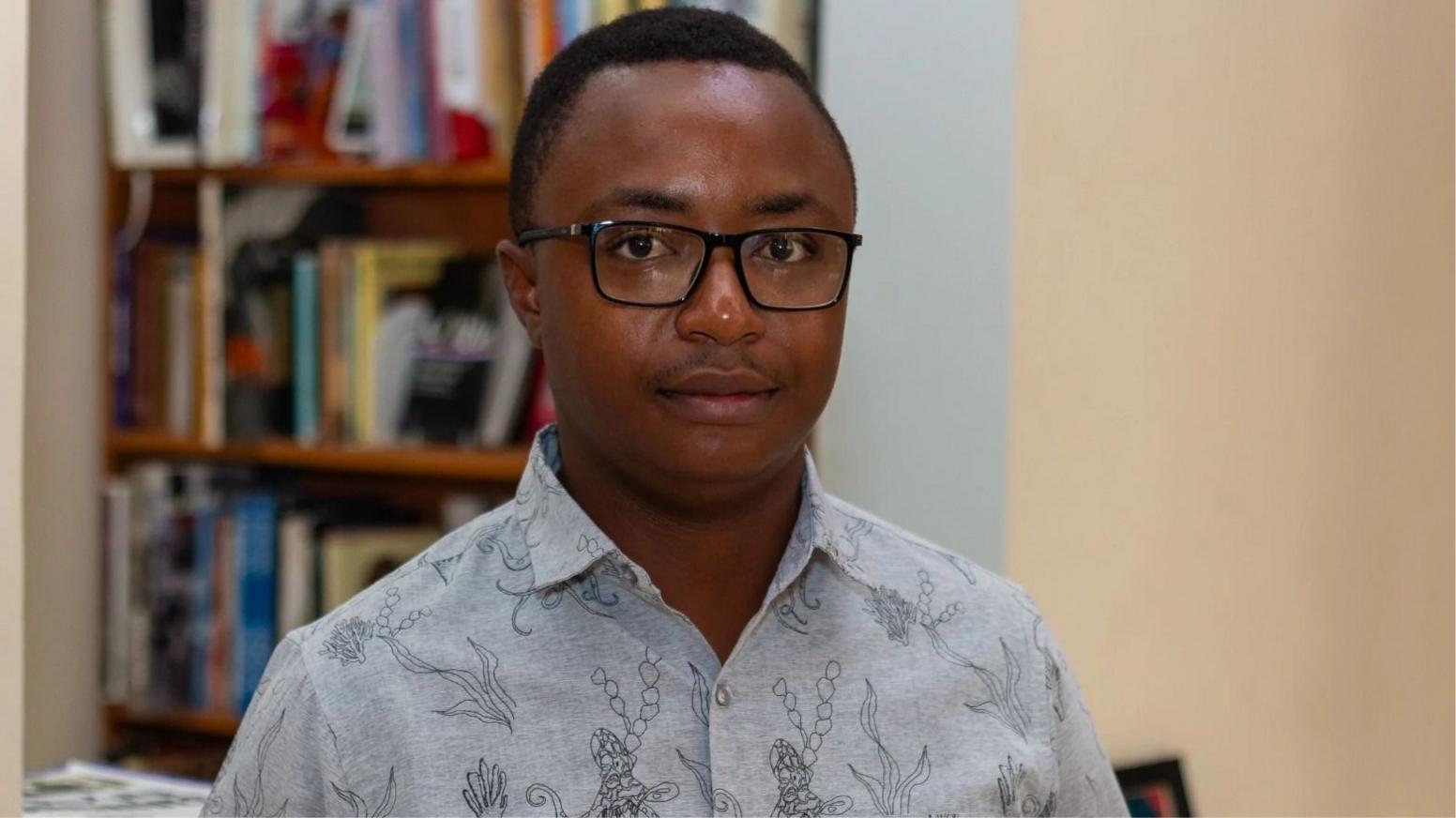
Simbarashe Kundizeza has said he wrote the story, ‘The Blue Fighter,’ that earned him this year’s Caine Prize for African Writing, despite a recent article in The Atlantic claiming AI detection software Pangram found the piece entirely machine‑generated.
The allegations hit the prize’s celebration a week after Kundizeza accepted £10,000 and a story about a boy whose family struggles in Zimbabwe.
In a tweet, the writer stressed, ‘For the avoidance of doubt, I wrote The Blue Fighter,’ and pledged to keep writing.
“I am not happy for the work of writers, and in this case especially black writers, to form the testing ground for something that is at best still rough and ready.”
Ellah Wakatama, chair of the Caine Prize board
Wakatama said the prize’s board was shocked that The Atlantic had published the claim without a full investigation and that Pangram, although ‘well‑founded,’ was ‘not yet tested’ and cannot be a definitive verdict.
She added that the Caine Prize does not automatically scan entries for AI and that the panel relies on authors’ own statements of originality.
The controversy echoes earlier disputes over literary prizes: Trinidad’s Jamir Nazir faced similar AI accusations for the Commonwealth Short Story Prize, and Canadian‑Haitian writer Thélyson Orélien withdrew from France’s Goncourt after claims he had used AI for his debut novel.
The debate has exposed a broader unease in the African literary community, where several writers argue that AI investigations disproportionately target Black authors and are “wildly unethical.”
Responding to the accusations, Kundizeza described the story’s conception: after hearing a South‑African poem about a father’s fish‑tank obsession, he blended the image with his own family history during Zimbabwe’s 2002 economic crisis to craft the narrative.
He said he will keep producing fiction, citing ‘heartening messages of solidarity’ from peers and readers.