In brief
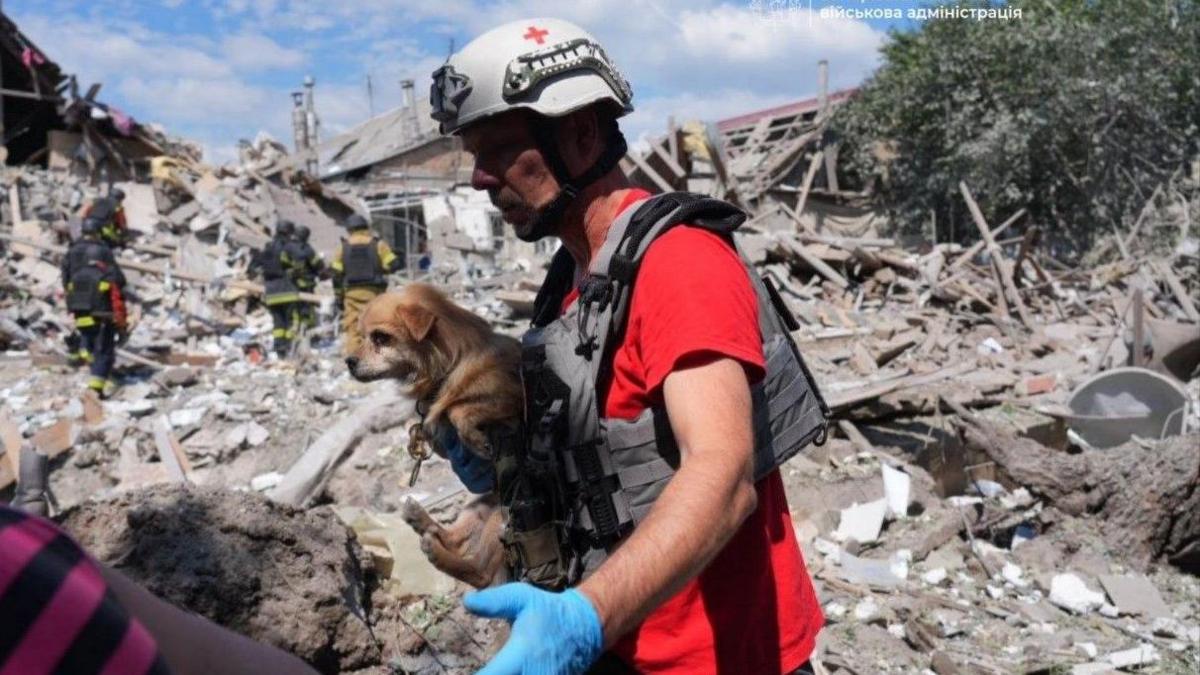
In the early hours of July 11, 2026, Zaporizhzhia was rattled by a wave of glide bombs and FPV drones that struck schools, offices, buses and residential buildings. Local resident Anna Holovchenko describes repeated nights of waking to the alarm of flying munitions and the destruction of community spaces. Acting mayor Regina Kharchenko reports that city officials are now shoring up shelters, anti‑drone nets, and shatter film on windows to protect civilians. Experts point to the use of mothership drones and mesh‑networking technology as reasons for the heightened strike capability, while Ukraine’s forces continue to counter these attacks from a tactical distance.
At five a.m. on a seemingly quiet morning, Anna Holovchenko was jolted awake by the roar of glide bombs that slammed into flats of her city‑wide suburb in Zaporizhzhia. An hour later drones swooped over her office; Ukrainian air defences scrambled to bring them down.
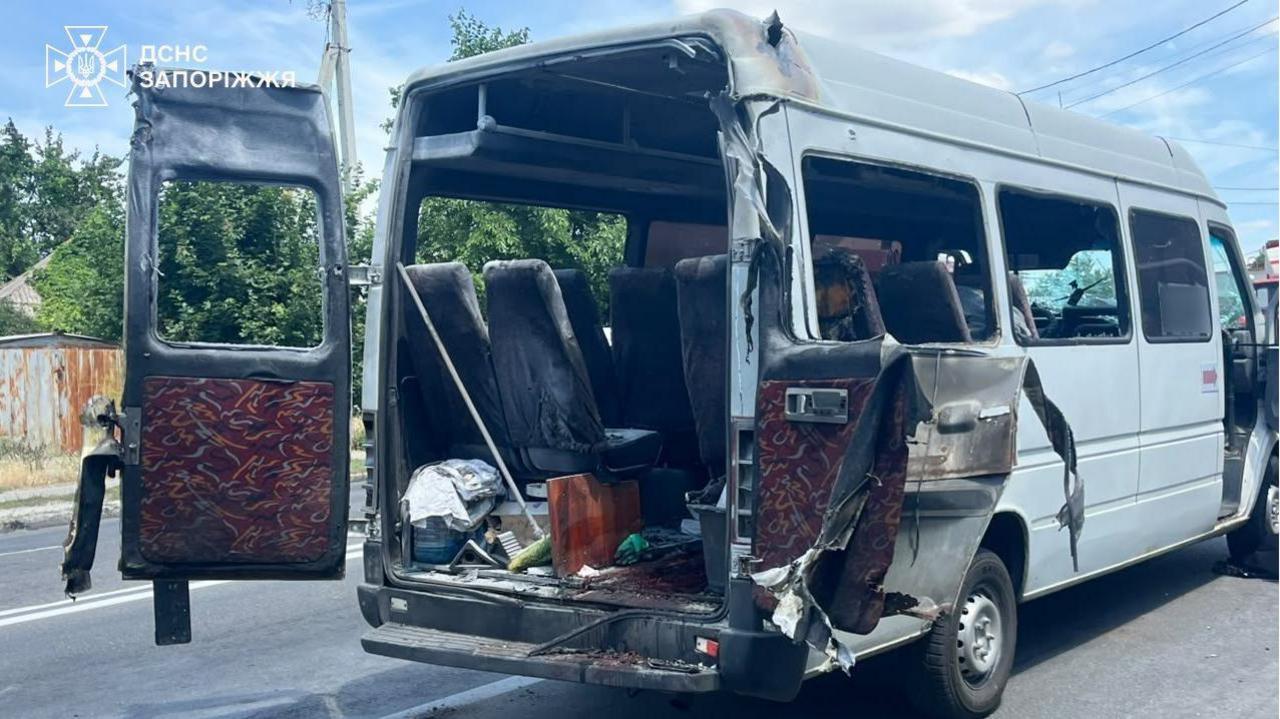
Through the fortnight, schools, government offices, petrol stations, buses and residential houses have been struck, turning the city 24 km from the front line into a living battleground for civilians like Anna.
Acting mayor Regina Kharchenko told reporters she “did not go to the shelter…but when it got too loud I took cover in the toilet.” She described a shattered kid‑twos‑day‑old and an SH‑145 drone that crashed near her office, taking out the internet and leaving her “just another ordinary day in Zaporizhzhia.”
The city council met in a shelter and declared that the enemy had “stepped up terror against civilians, municipal transport, privately‑owned buses, cars, residential buildings and even children.” Plans were already being drafted to build more shelters and install anti‑drone nets across the most vulnerable districts.
While Ukrainian forces have pushed Russian garrisons some 2–3 km further south, the city’s attacks have worsened—thanks, experts say, to small FPV drones launched from motherships and mesh‑networking technology that allows them to strike deeper within the city.
Local officials claim to have intercepted 884 drones in the last week of June alone, even as Russian forces focus elsewhere, blunting Ukrainian electronic‑warfare attempts.
The strain on Zaporizhzhia’s civilians continues; hundreds of thousands have stayed put, balancing the presence of food and fuel against a constant threat that has been looming since the conflict erupted four–and–a‑half years ago.
Anna says, “We’re just trying to stay safe and we’re doing all we can to survive until our victory.” She has considered leaving, but fears that the city might become a war‑devastated ghost town.