In brief
Despite indications of a possible ceasefire, Putin's insistence on specific demands reflects his strong negotiating position and skepticism toward Ukraine's sovereignty.
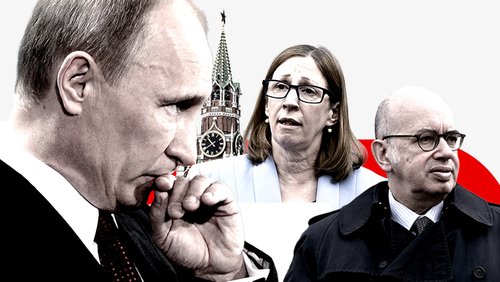
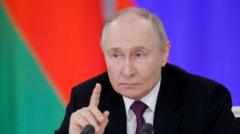
In a surprising turn, Russian President Vladimir Putin announced Russia's readiness to consider a ceasefire in the ongoing conflict with Ukraine, emphasizing that "there are nuances" that complicate the situation. During discussions with US envoys in the Kremlin, Putin's interpretation of a ceasefire seemed less about halting hostilities and more about maintaining his strategic advantages on the battlefield, suggesting that open negotiations might prove problematic.Putin commenced his statements positively, agreeing fundamentally with the need to cease hostilities. However, he quickly highlighted that any cessation of conflict must foster long-term peace and address what he calls the root causes of the crisis. This concept, according to him, hinges on Ukraine's aspirations for independence and alignment with NATO and the European Union, which Russia fundamentally opposes. Despite international calls for peace, Putin's stance that Ukraine needs to demilitarize raises red flags among Western partners. His demands signal a desire to prevent Ukraine from receiving military reinforcements from the West, questioning the feasibility of verifiable ceasefire conditions. Reports indicated that the Russian defense ministry has claimed to have taken control of strategic areas, further consolidating Putin's position of strength from which he is negotiating.Putin underscored the challenges of a ceasefire, arguing that pausing military operations could enable Ukrainian forces to regroup and rearm. He rhetorically questioned how such a ceasefire could be guaranteed against violations, showcasing his skepticism. It remains unclear whether he would entertain concessions, especially considering his assertion that Russian forces are currently advancing along the front lines.Conventional wisdom suggests that a peacekeeping force could be a stabilizing presence, yet Putin dismissed such proposals without a confirmed peace agreement, emphasizing that Delhi's external deployment would not be welcomed by Russia. This perspective highlights a complex web of negotiations that must first account for Russia’s security concerns and military strategies before any durable agreement can be reached.As Putin speaks to officials from the Trump administration, including envoy Steve Witkoff, he openly calls for discussions with US leadership, hinting that conversations with President Trump might be crucial for determining the future of relations between Russia and Ukraine. For now, Putin's narrative casts a long shadow over the prospects of an immediate ceasefire, burdened with conditions that may remain unfulfilled or further complicate the ongoing dialogue.