In brief
As a truce solidifies between Israel and Iran, President Trump has publicly challenged the conclusions of a U.S. intelligence report claiming that airstrikes only minimally impeded Iran's nuclear program.
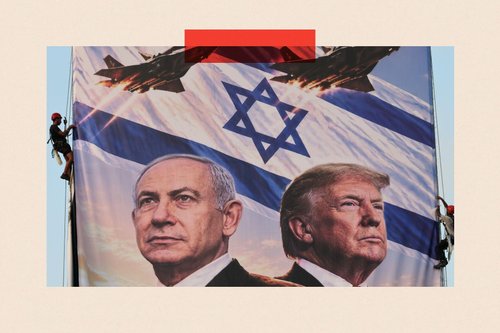
June 25, 2025, 8:17 a.m. ETWith a ceasefire entering its second day, both Iran and Israel appear poised to rebuild and move forward as tensions surrounding Iran's nuclear program resurface. President Trump continues to voice skepticism toward a preliminary classified assessment from the U.S. Defense Intelligence Agency, which indicated that U.S. military actions had only delayed Iran’s nuclear aspirations by a few months. At a NATO summit in the Netherlands, Trump labeled the intelligence report “very inconclusive” and insisted the strikes were effective enough to cause “obliteration” of Iran's nuclear capabilities. Contradicting both the report and statements from international watchdogs, he maintained that Iran had not had the opportunity to relocate enriched uranium before the bombing commenced. The ceasefire came after intense military action that began when Israel targeted Iranian nuclear sites amid rising hostilities, making claims of victory on both sides. Israeli authorities have already begun lifting emergency restrictions, with airports reopening as efforts to return to normalcy take precedence. Military officials have started reassessing the impact of their campaign, asserting that significant damage, rather than just short-term setbacks, was inflicted on the nuclear program.In a show of Iranian resilience, President Masoud Pezeshkian hailed a rally in Tehran, expressing readiness to resume nuclear negotiations. Meanwhile, in the wake of the conflict, Iran's parliament has proposed legislation to suspend cooperation with the International Atomic Energy Agency, complicating the international diplomatic landscape. Despite subdued operations at their military bases, there were initial reports of Iranian missile launches after the ceasefire took effect, demonstrating the fragility of the truce. Back in the United States, the situation has sparked controversy among lawmakers, with calls for stringent congressional oversight following military actions that appear to go against established protocols outlined in the War Powers Resolution. Some Democratic leaders are particularly critical, urging immediate congressional briefings on the strikes that have raised many questions about legality and strategy. In a broader context, repercussions from this military engagement may reshape how nations approach their own nuclear ambitions, as fears mount regarding Iran's potential accelerated pursuit of nuclear weapons in the wake of perceived threats. As diplomatic channels remain open, the ramifications of military actions and subsequent political maneuverings loom large for both U.S. and Middle Eastern relations.