In brief
The latest assessment highlights severe food insecurity and points to worsening conditions since October 2024, marking an alarming humanitarian crisis as Israeli military operations and aid restrictions persist.
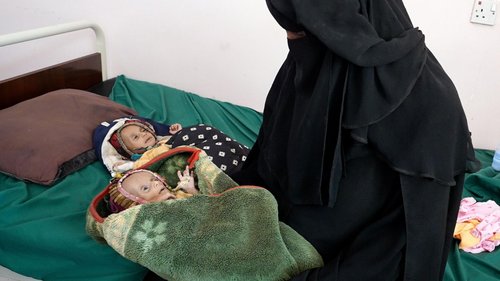
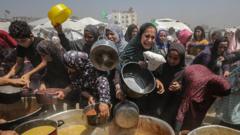
The Integrated Food Security Phase Classification (IPC) has declared that over 93% of Gaza's population suffers from acute food insecurity, with urgent calls for humanitarian intervention as approximately 244,000 individuals face catastrophic levels of hunger. A recent assessment by the Integrated Food Security Phase Classification (IPC), supported by the UN, reports that the Palestinian population in Gaza is at a critical risk of famine amidst a prolonged Israeli blockade on humanitarian aid. With around 2.1 million residents in dire straits, the IPC notes a "major deterioration" since October 2024, although it clarifies that famine conditions have not yet been officially declared.Following a two-month ceasefire between Israel and Hamas, which provided a temporary relief effort, renewed hostilities and the resumption of Israeli blockades have undone any prior gains. The IPC’s report reveals that around 244,000 people are presently experiencing catastrophic food insecurity, urging immediate action to avert a predicted increase in famine-like conditions.Israeli military operations have escalated since mid-March, with officials stating that they are exerting pressure on Hamas for the release of hostages. This blockade has lasted for 70 days and has restricted vital supplies such as food and medical aid into Gaza. International voices, including the UN, have condemned these actions, asserting that they may represent war crimes under international law.According to the IPC's findings, about one in five individuals in Gaza are facing extreme starvation, and the situation is set to worsen over the coming months, particularly affecting children—nearly 71,000 of whom are expected to suffer from acute malnutrition by April 2026. The ongoing crisis has forced many families to resort to desperate measures to secure food, including scavenging and begging.The IPC serves as a critical platform for assessing famine conditions, involving various global aid alliances. Despite Israeli officials contending that sufficient aid entered during the ceasefire period, the situation remains dire for the majority.In another development, Hamas announced its intention to release Israeli-American hostage Edan Alexander to aid negotiations for a new ceasefire and facilitate humanitarian aid delivery into Gaza. While the Israeli Prime Minister's office has acknowledged this development, they stated that it does not equate to a full ceasefire agreement.As tensions remain high, and international diplomatic efforts continue, plans for an escalated Israeli military offensive loom, which may involve significant territorial changes in Gaza and restructuring humanitarian aid distribution—a move that the UN and humanitarian organizations have warned could further complicate the crisis.The conflict was reignited following the Hamas attack on southern Israel on October 7, 2023, resulting in a tragic loss of lives on both sides and leaving a significant humanitarian disaster in its wake, as the civilian toll in Gaza continues to rise.