In brief
Ukrainian drones struck several Wildberries warehouses across Russia, killing workers, destroying millions of roubles in goods, and highlighting how war is pulling business logistics to the front. The attacks, aimed to disrupt Russian military supply chains, struck sites far from the front lines, yet hit an online marketplace whose sellers rely on the service for most of their sales. The owners have pledged compensation but added clauses making them liable only for force‑majeure events. Amid rising inflation, tax hikes, and a growing list of business closures, these strikes are seen as another economic nail in the coffin for Russia's SME sector.
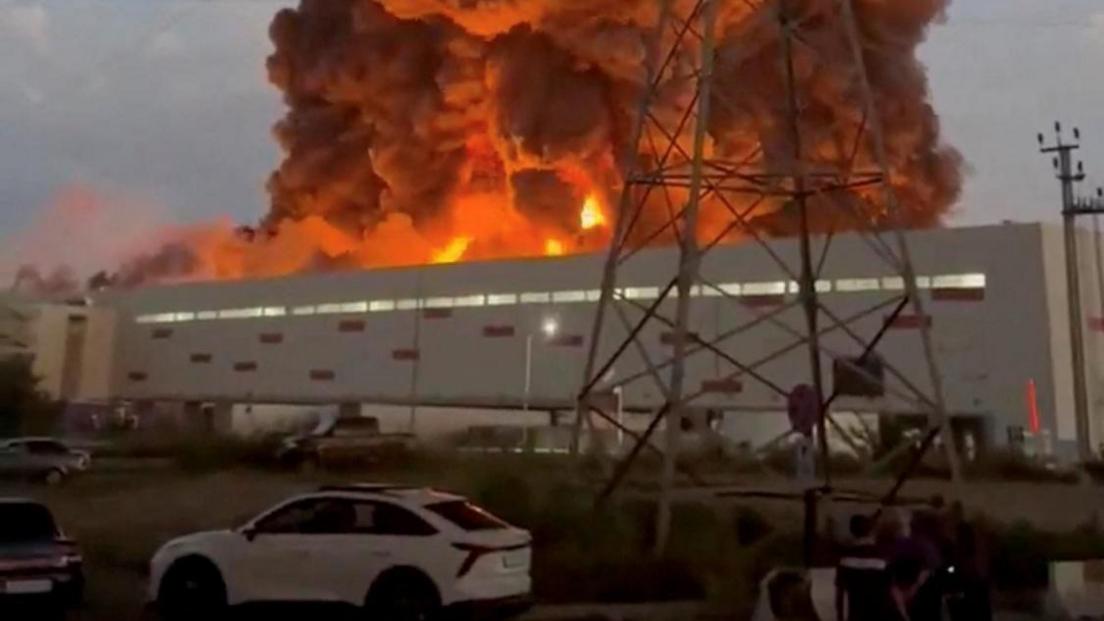
Ukrainian drones have struck four Wildberries warehouses in a matter of days, killing workers, interrupting delivery routes and destroying goods worth an estimated *£750 million* ($1 bn). The strikes were carried out on warehouses from Elektrostal near Moscow to Kotovsk, Krasnodar and Nevinnomyssk across Russia, well away from the front line but still under the remit of Ukraine’s strategic drone campaign against military logistics.
*Seven people were killed* – six on the night shift at the Kotovsk site and one at Elektrostal – with dozens injured. Reports say the warehouses burned so badly that their contents were grilled to ash, leaving thousands of local sellers without stock.
"I am a mother of a disabled child. I built the business myself," one seller wrote in a viral tweet, later sharing that she had lost *1 million roubles* ($12.7 k). The hit has left some businesses derisibly vulnerable, as their only sales platform – Wildberries – becomes unreliable.
According to Wildberries owner Tatiana Kim, the company has "not abandoned" its sellers and has begun offering temporary discounts and waived shipping fees. Yet some traders see the company’s promise as shaky: “The outlook for working with Wildberries is very murky,” one clothing vendor said.
The attacks are said to target “major logistics facilities” used to supply ‘sanctioned components for drone production and navigation equipment’ – a claim that would give Ukraine’s war‑time strategy a civilian‑logistics twist. No independent confirmation yet exists that the warehouses held military material, though some pro‑war bloggers claim the platforms are routinely used by volunteers.
Russia’s small‑business sector is already under pressure – VAT rose from 20% to 22% earlier this year, and 209,000 businesses closed in Q1 2026 versus 192,500 in 2025. With the war siphoning resources, many fighters rely on online marketplaces to restock essentials for home‑bound citizens.
President Volodymyr Zelensky said the attacks readied the war “back home” for Russia, illustrating the broader fact that Ukraine’s long‑range drone campaign now strikes supply routes and indirect civilian infrastructure, not just combat zones.
Smoke rises from a Wildberries warehouse on fire after an attack in Nevinnomyssk, Russia, July 22, 2026 (Reuters)