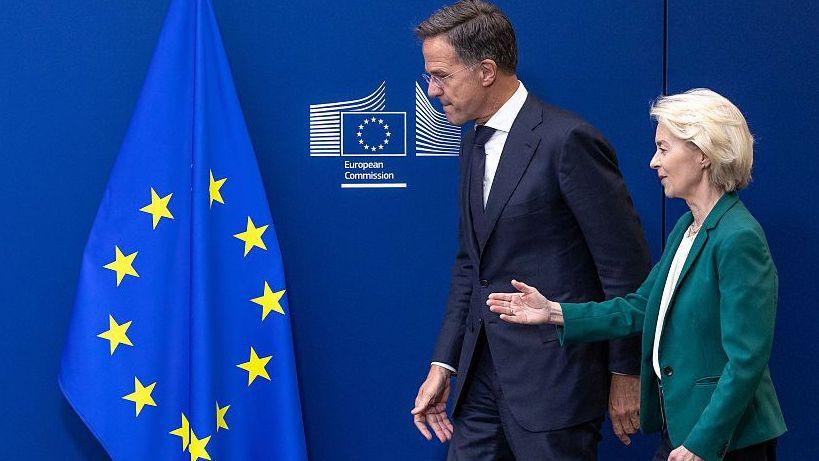
During the call, Trump reassured leaders from the UK, France, Germany, Italy, Finland, and Poland about his intent to secure a ceasefire, aligning with EU chief Ursula von der Leyen and NATO chief Mark Rutte. The meeting was seen as a necessary engagement to keep Ukraine's interests and European security prominent as they were excluded from the arrangement of the Alaska summit.
Feedback from the leaders indicated the meeting was fruitful. French President Macron stated it helped clarify intentions and allow for the expression of expectations. Trump himself rated the call a "10," threatening "very severe" repercussions for Russia if it does not end its aggression. Additionally, he mentioned the potential for a follow-up meeting featuring Zelensky should the summit yield positive results.
Despite the optimism, there remains a notable trepidation among European leaders concerning potential concessions to Putin. Polish leader Donald Tusk emphasized the importance of not trusting Russia, while German Chancellor Merz reiterated that Ukraine must be included in any subsequent negotiations. Concerns were heightened by Trump's previous hints at "land-swapping" between Ukraine and Russia, raising alarms that he may acquiesce to territorial demands.
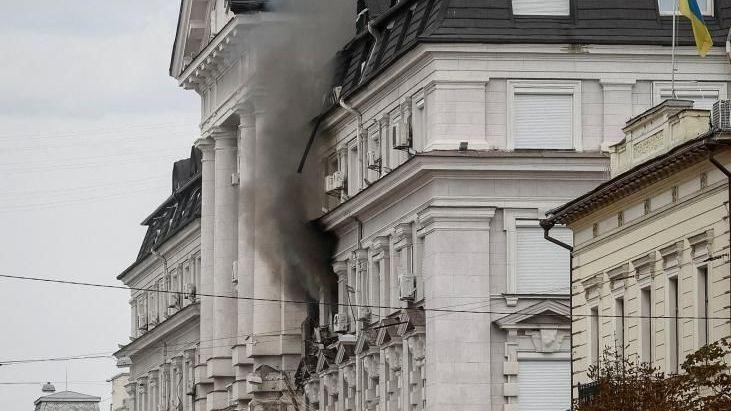
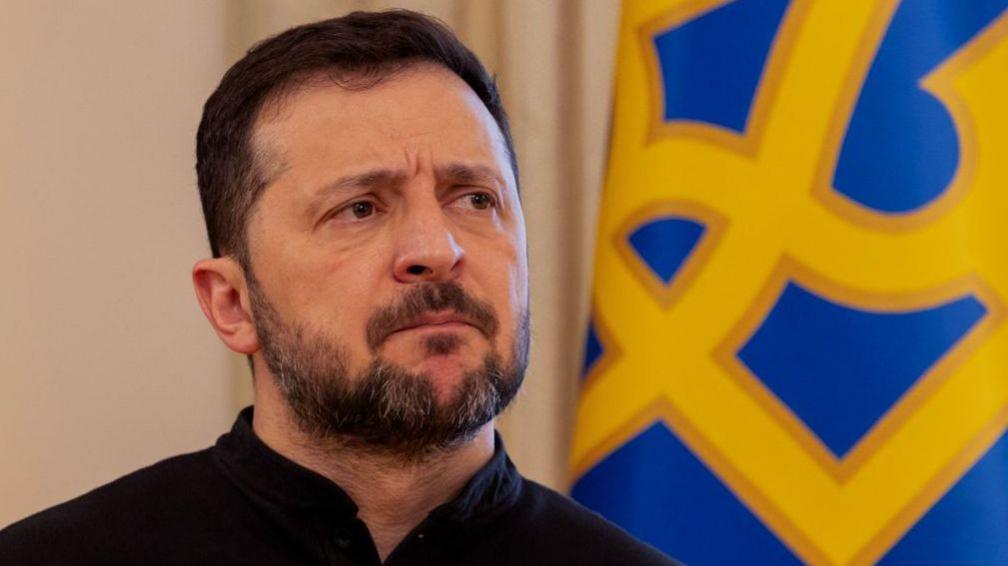
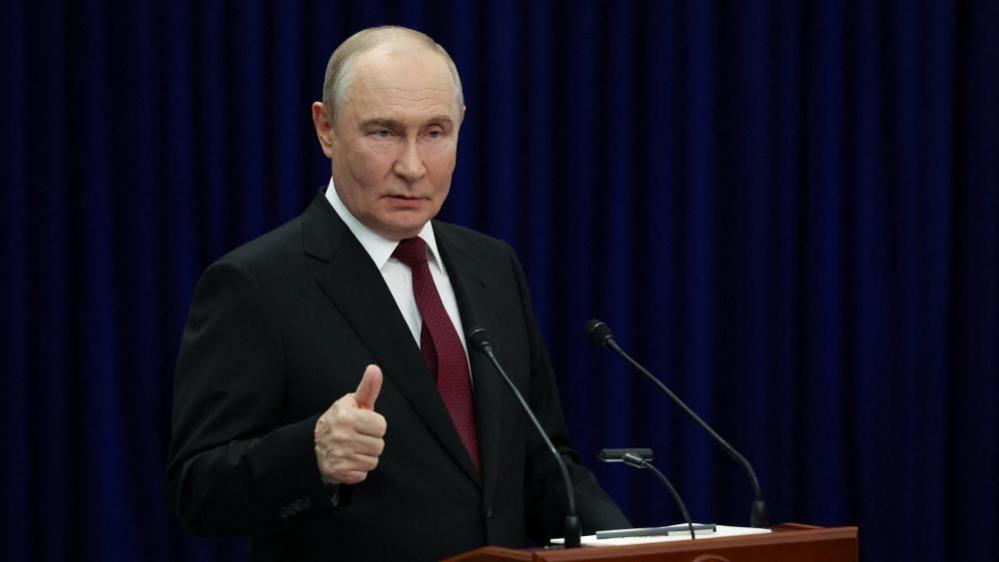
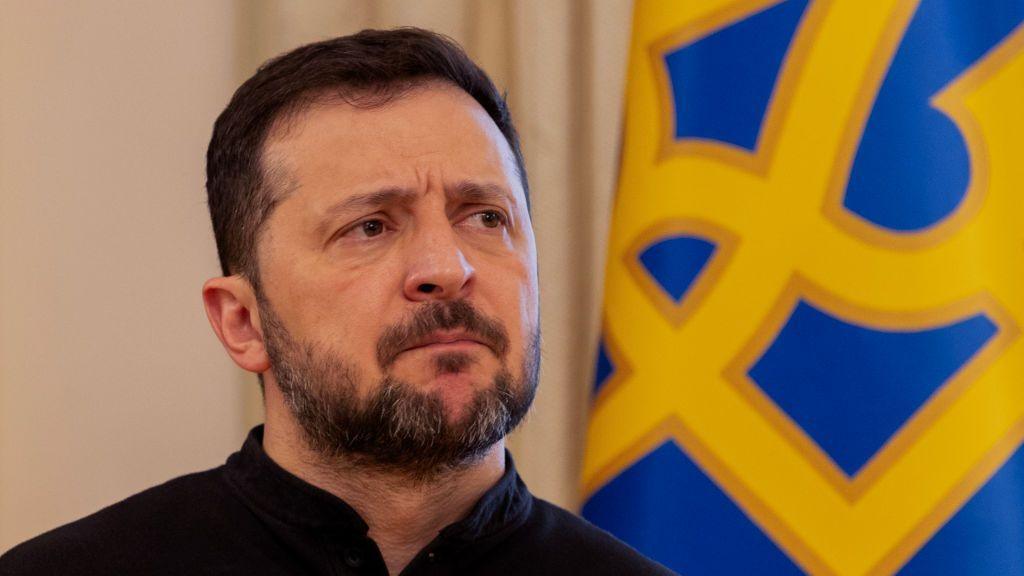
As the summit looms, Zelensky expressed distrust towards Moscow's intentions, arguing that previous concessions could fuel future invasions. He urged for heightened pressure on Russia, as ongoing military actions continue to pose severe threats to the sovereignty of Ukraine. Trump acknowledged the challenge of persuading Putin to curtail violent offensives even during direct engagements.
Despite the grim realities of warfare, there is a glimmer of hope, with leaders like Sir Keir indicating a renewed possibility for resolution thanks to diplomatic efforts. However, the specter of a potential "Coalition of the Willing" and its security guarantees remains uncertain as the European leaders prepare to balance diplomacy with a relentless military struggle on the ground.
Feedback from the leaders indicated the meeting was fruitful. French President Macron stated it helped clarify intentions and allow for the expression of expectations. Trump himself rated the call a "10," threatening "very severe" repercussions for Russia if it does not end its aggression. Additionally, he mentioned the potential for a follow-up meeting featuring Zelensky should the summit yield positive results.
Despite the optimism, there remains a notable trepidation among European leaders concerning potential concessions to Putin. Polish leader Donald Tusk emphasized the importance of not trusting Russia, while German Chancellor Merz reiterated that Ukraine must be included in any subsequent negotiations. Concerns were heightened by Trump's previous hints at "land-swapping" between Ukraine and Russia, raising alarms that he may acquiesce to territorial demands.
As the summit looms, Zelensky expressed distrust towards Moscow's intentions, arguing that previous concessions could fuel future invasions. He urged for heightened pressure on Russia, as ongoing military actions continue to pose severe threats to the sovereignty of Ukraine. Trump acknowledged the challenge of persuading Putin to curtail violent offensives even during direct engagements.
Despite the grim realities of warfare, there is a glimmer of hope, with leaders like Sir Keir indicating a renewed possibility for resolution thanks to diplomatic efforts. However, the specter of a potential "Coalition of the Willing" and its security guarantees remains uncertain as the European leaders prepare to balance diplomacy with a relentless military struggle on the ground.